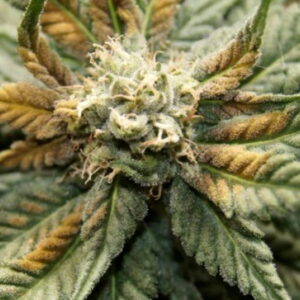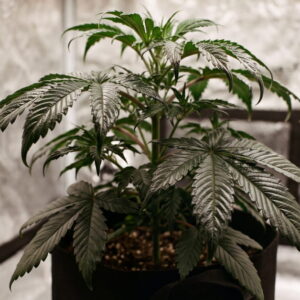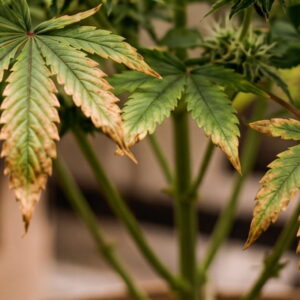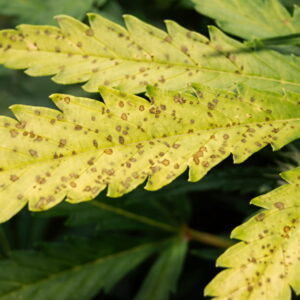
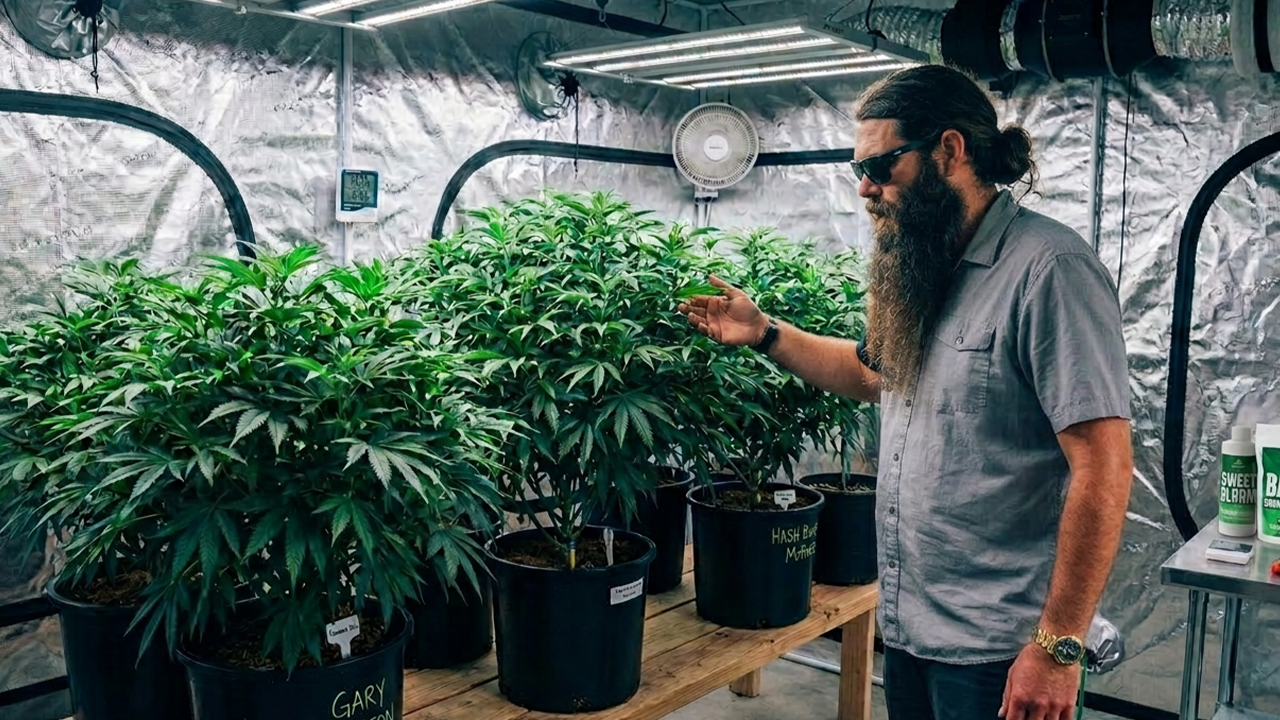
If you want an endless supply of high-performing, genetically stable clones, knowing how to maintain a cannabis mother plant is one of the most valuable skills you can develop. The good news? This all boils down to a few fundamentals.
This guide walks you through every step of long-term cannabis mother plant care, from setting up the best mother room and light regime to fine-tuning nutrition, root pruning, and disease prevention.
Cannabis Mother Plant
A cannabis mother plant is a meticulously chosen female plant kept in a perpetual vegetative growth cycle. Instead of flipping to flower, she stays in the veg stage (under constant 18/6 lighting schedule) so you can create genetically identical cuttings (clones) whenever possible. You do however need the plant to stay healthy producing viable shoots and branches to clone.
For many growers, a healthy mother plant is the backbone of supporting a consistent, repeatable harvest cycle.
Cannabis Mother Plants vs. Flowering Plants
A marijuana mother plant and a flowering plant might look the same, but they behave very differently. Once a plant transitions to flower, its hormonal balance shifts toward reproductive growth, making cuttings slower to root and less predictable.
Taking cuttings from a flowering plant is tricky because it becomes woody, slow to root, and far less productive. In addition you want the cuttings to grow so they produce enough branches to support bud sites. On the flip side (pun intended), a mom crop with steady vegetative growth gives you soft, flexible shoots that root easily.
Why Keep a Mother Plant?
Have you ever grown a beautiful specimen from seed, enjoyed every last bud, and wished you could keep those same traits forever? That’s exactly why growers keep a marijuana mother plant – to create healthy clones with genetically identical growth habits, terps, potency, and yields.
A mother plant growing setup is one of the most efficient ways to maintain consistent harvests without starting from seed each time.
The Perks of Having Your Very Own Weed Mother Plant
Keeping a mother plant comes with many benefits that make your grow much easier to manage:
- Consistent genetic traits across every clone.
- Uniform structure and node spacing, perfect for yield-boosting training methods.
- Perpetual harvests with predictable growth cycles.
- A renewable source of plants grown from genetics you trust.
- Quicker yields with clones that skip germination and early seedling stages.

Choosing the Best Mother Plant
Choosing the right plant is one of the most important decisions you’ll make. A strong start gives you better clone production and a stable foundation for many generations of crops. Here’s how to pick a cannabis mother that’s built to last:
Seed, Clone, or Tissue Culture
You’ve got a few ways to begin your new mother plant, and each one has its strengths:
- Feminized seeds are a great way to find a standout mother. With feminized seeds, you can explore the best phenotypes and choose the plant with the indica or sativa traits, potency, yields, and aromas you want to preserve long-term.
- Clones offer a more predictable starting point. If you already have access to a crop you love, beginning with a clone gives you known traits and an easier path to a stable cannabis mother plant.
- Tissue culture is the high-tech option. It stores genetics in a controlled indoor environment, removes pathogens like hop latent viroid, and preserves elite cultivars. It’s powerful, but usually beyond the needs of the typical home grower.
For most people, the best starting point is either a promising cannabis plant grown from high-quality seeds or a strong, healthy clone you already trust.
Mother Plant Must-Have Traits
When identifying a potential mother weed plant, focus on both how she grows and what she brings to the table:
- Key Growth Traits: Look for tight node spacing, healthy colors, balanced lateral branching, and steady growth with no signs of stress. These traits make training easier and give you plenty of strong cuttings over time.
- Phenotype Qualities: Keep an eye out for characteristics that support your production goals, whether that’s high THC or CBD, big yields, or a specific terpene profile.
- Plant Age: Choose a cannabis crop that’s in early vegetative mode. Plants in healthy, active vegetative growth tend to produce the most reliable cuttings.Keeping backups is also wise, especially if you’re working with rare cultivars.
- Plant Health: Skip any crop that looks sluggish, discolored, or irregular. Problems like weak stems, slow development, or early nutrient deficiencies usually worsen as the root ball expands and the plant ages.
Since a mother needs to stay productive for months (or even years), pick the strongest, healthiest crop you can find.
How to Set Up Your Mother Room for Long-Term Plant Health
To keep a mother plant happy, you need a dedicated space that supports stress-free vegetative growth. Whether you’re working with a grow room or a simple indoor tent, cannabis mother plant maintenance is all about strict hygiene, environment, and lighting control.
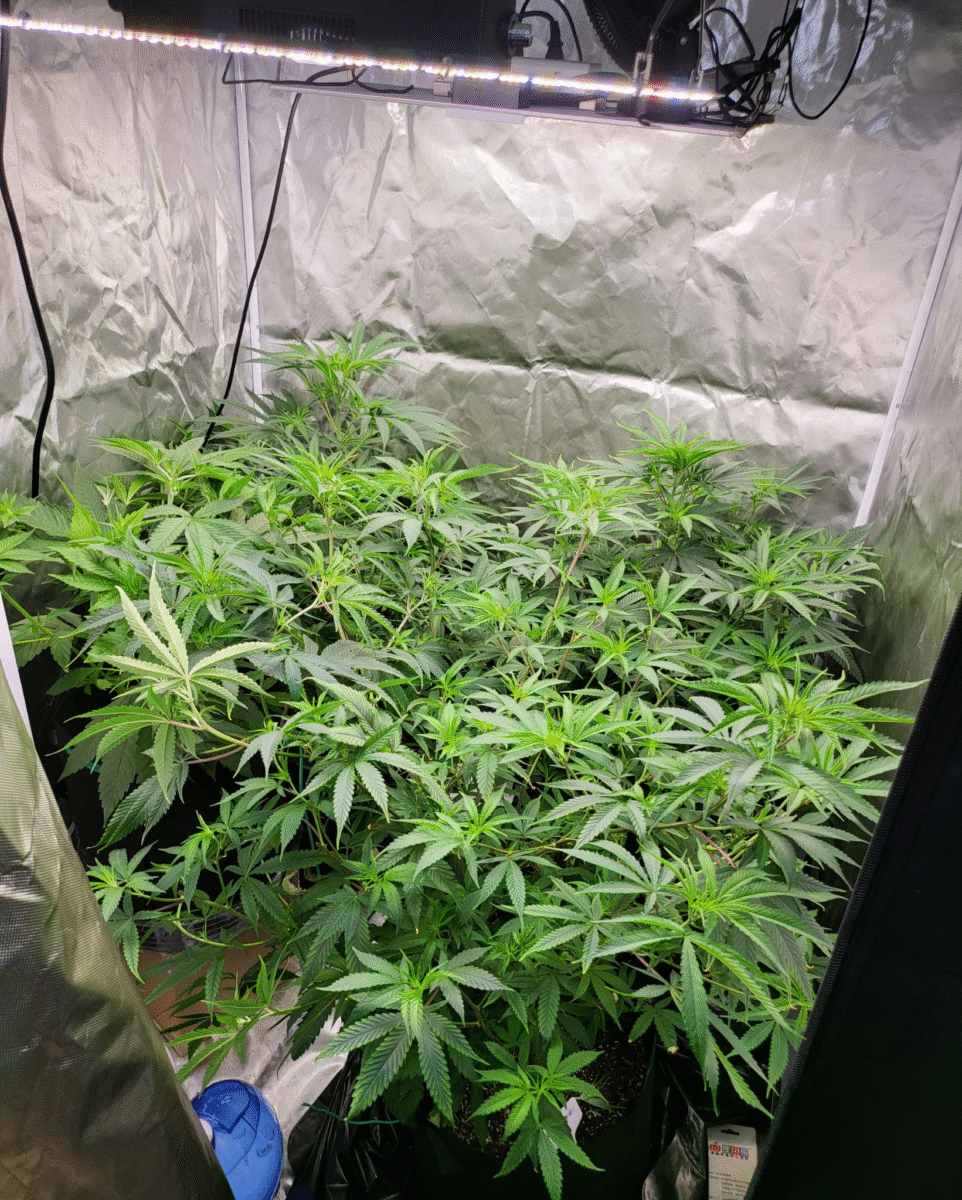
Here’s how to set up your veg room for success:
Step 1: Choose the Right Space
You don’t need a massive setup, but you do need a space that’s stable, light-proof, and easy to work in. Here’s a grow tent or room guide based on how many mothers you plan to keep:
| Mother Room/ Grow Tent Size (ft) | No. of Mother Plants | Best For | Why It Works |
| 2′ × 2′ | 1 small mother | Tight spaces, beginners | Easy to control environment, enough room for light training, good airflow with a single plant. |
| 2′ × 4′ | 1 large mother or 2 compact mothers | Small home setups | Extra length gives better access to the plant, more room for branching, and space for tools/ventilation. |
| 3′ × 3′ | 1–2 medium cannabis mothers | Balanced setups | Roomy enough for pruning, training, good airflow, and manageable heights. |
| 4′ × 4′ | 2–4 mother crops | Dedicated mother rooms or multi-strain setups | Provides breathing room, better ventilation paths, and easier access on all sides. |
| Larger Rooms / Custom Spaces | 4+ mothers | Advanced growers or strain collectors | Allows for full mother room workflow, shelving for supplies, and controlled indoor environments. |
Make sure there’s clear access to all sides of every mother with enough space for proper ventilation, pruning, and light-proofing.
Step 2: Create a Clean and Stable Environment
Healthy mother plants flourish in consistent conditions where they can maintain new growth without stress or fluctuations. Here are the most important aspects of an ideal mother room:
- Temperature: Keep the room between 70–82°F, with 75°F being a sweet spot for steady, comfortable vegetative growth.
- Relative Humidity: Aim for 40–65% RH, a range that supports optimal plant growth and helps mothers produce healthy, active new shoots.
- Airflow: Gentle, consistent airflow is key. A small oscillating fan and filtered intake air help prevent stagnant pockets, reduce heat stress, and support overall plant health.
- Hygiene: Sanitizing tools, wiping down surfaces, and keeping the space tidy goes a long way toward protecting your genetics and preventing issues before they start.
- Basic Control Tools: Light timers, humidity controllers, and automated exhaust fans help keep temperatures and airflow steady throughout the day, even when you’re not around. These small upgrades prevent the dips and spikes that stress plants.
Step 3: Pick the Proper Container Size
Start your young mother plant in a 1-gallon pot, then bump her up gradually as the root mass develops. Larger pots of around 3–7 gallons strike the right balance for long-term care. This range gives the root system enough space to stay healthy without letting the crop grow too big to manage.
The Best Lighting For Healthy Cannabis Mother Plants
A meticulous lighting system is the key to keeping mother plants in perpetual veg. The goal is simple: give them enough light to produce healthy vegetative growth consistently.
Choosing the Right Light Schedule
The last thing you want is your mother crop to start flowering. To keep her vegging indefinitely, all you need to do is make sure she receives more than 12 hours of light each day.
Most growers stick to one of these cannabis mother plant lighting schedules:
- 18/6 (18 hours of light, 6 hours of darkness): This classic cycle supports steady vegetative growth while giving the plant and soil biology a nightly rest.
- 20/4: Great if you want slightly faster new growth and more frequent opportunities for cloning. It uses more energy but keeps mothers very productive.
- 14/10 (for slower growth): Some growers shorten the light period to slow the growth rate of older mothers or to keep size in check. We recommend maintaining at least 15–16 hours of light provides a safer margin to prevent accidental flowering.
- 24 hours of light: This method keeps plants compact and prevents stretching, but many growers still prefer a dark period to support overall plant health and root-zone activity.
If your mother weed plant starts stretching or her node spacing increases, she may not be getting enough light — or the spectrum may be too warm. Adjust the fixture height or shift toward a stronger blue spectrum to tighten her structure.
Light Types, Spectrum, and Intensity
Naturally, mother plants do best under lighting designed for vegging growth rather than full flowering intensity. Here’s what works well:
- Blue Spectrum (4000K–6500K): Encourages compact growth, strong stems, and shorter internodes (ideal for keeping mother plants manageable and productive).
- Light Intensity: Aim for approximately 200–400 µmol/m²/s at canopy level to support steady vegetative growth without excessive stretch.Adjust the wattage to match your tent size and the number of mother plants you’re maintaining.
- LED Fixtures: Efficient, cool-running, and adjustable. Most growers dim their LEDs to about 25–50% power for mother rooms, depending on tent size and plant count.
- T5 Fluorescents: Affordable, gentle on plants, and great for small mother rooms or setups that run warm. A 4-foot, 4-bulb fixture is a classic option for one mother plant or two.
- Metal Halide (MH): Offers a naturally blue-heavy spectrum and works well for larger mothers or when you need a boost in vegetative vigor. Runs hotter and uses more power than LEDs.
Your lights can increase canopy temperatures when they’re placed too close, even if the fixtures themselves run cool. Keep an eye on leaf surface temperature and raise the lamps slightly if you see any upward cupping or light stress.
How to Feed Your Mother Plant For Optimal Health
A healthy cannabis mother plant needs balanced nutrition that supports continuous vegging without pushing her too hard. Since she’ll be producing new growth for months or even years, the best feeding approach focuses on moderation, micronutrient support, and keeping the root zone clean and stable.
Pick the Best Medium
Mother weed plants grow well in several types of media, and each supports long-term veg a little differently:
- Coco coir: Fast drainage, great oxygenation, and easy root management.
- Living Soil: A healthy microbial network that naturally supports plant health.
- Traditional Potting Soil: A simple, reliable option that holds moisture well and works for most home growers.
- Hydro System: Fast, clean growth with excellent control, though it requires careful monitoring of pH and nutrient levels.
Flush It Regularly & Refresh When Required
Mother plants live in their pots far longer than typical veg plants, so the medium needs a little extra care. Over time, salts build up in soil, coco, and soilless blends — especially in larger pots or setups with frequent feeding.
Give your medium a flush with pH-balanced water (or a gentle flushing agent) every few weeks to prevent nutrient lockout, keep the root zone responsive, and support healthy uptake.
Even with regular flushing, all media eventually start to break down. Refresh the medium when you notice compacted soil, slow drainage, crust forming on the surface, or roots pressing tightly against the pot walls. Add fresh soil or clean medium to restore airflow, moisture balance, and nutrient availability.
Use Specific Mother Plant Nutrients
Mother marijuana plants rely on a nutrient profile tailored to long-term veg:
- Nitrogen (N): The backbone of leafy, healthy growth. It should be the dominant macronutrient in your formula.
- Phosphorus (P) & Potassium (K): Important but used in lighter amounts. Excess phosphorus or potassium isn’t necessary during long-term vegetative growth and may contribute to nutrient imbalance. A balanced 3-1-2 NPK ratio is a good starting point for many growers.
- Calcium & Magnesium: Essential for strong cell walls and preventing common nutrient deficiencies, especially when using filtered or reverse-osmosis water.
- Trace Elements (Fe, Zn, Mn, B, Mo): Long-term veg demands a full micronutrient spectrum. Chelated trace minerals help prevent pale leaves, spotting, and slow recovery after pruning or taking cuttings.
If your mother crop starts producing overly lush, floppy growth, she might be getting more nitrogen than she needs. Dial it back slightly for sturdier clone sites and easier training.
Build a Feeding Schedule That Works
A long-term cannabis mother plant doesn’t need heavy feeding. What she really loves is a steady, gentle routine that keeps her growing without overwhelming the root zone. Here’s an easy way to keep her happy:
- Keep it Simple: Most growers fertilize every 5–7 days, alternating between nutrient solution and plain water. This prevents buildup in soil and avoids stressing the root zone.
A gentle EC of 0.8–1.4 is usually perfect for slow, steady vegetative growth.
- Choose Mother-Friendly Solutions: Organic fertilizers are great for soil because they support beneficial microbes and help prevent nutrient lockout.
- Match Your Method to Your Medium: If you’re growing in coco coir or hydroponics, a mild nutrient solution with each watering is generally preferred to keep the root system stable.
No matter the medium, the best cannabis mother plant feeding schedule prioritizes consistency over intensity.
Support Healthy Roots
Since mother cannabis plants stay in the same pots for longer periods, caring for their root mass is incredibly important. A few gentle supplements can go a long way in keeping the root zone active, clean, and ready to support healthy new growth:
- Beneficial Microbes: Products containing friendly bacteria and fungi help protect roots, improve nutrient uptake, and keep long-term mothers more resilient. They’re especially helpful in living soil or coco setups.
- Enzyme Formulas: Enzymes break down dead root material before it causes issues, reducing the risk of rot or nutrient lockout. They help keep older mothers “light on their feet” even after months in the same container.
- Gentle Root Stimulators: Light, low-dose root stimulators can support root activity in older mother plants, especially after pruning or periods of heavy cloning.
- Foliar Feeding: This can also deliver micronutrients directly to the leaves, which is handy if you spot early signs of nutrient deficiencies or want to give your plant a quick pick-me-up without stressing the roots.
Mother weed crops respond best to light, consistent care, so keep everything mild and let slow, steady improvement do the work.
Pruning, Training & Topping For Healthy Mother Plant Growth
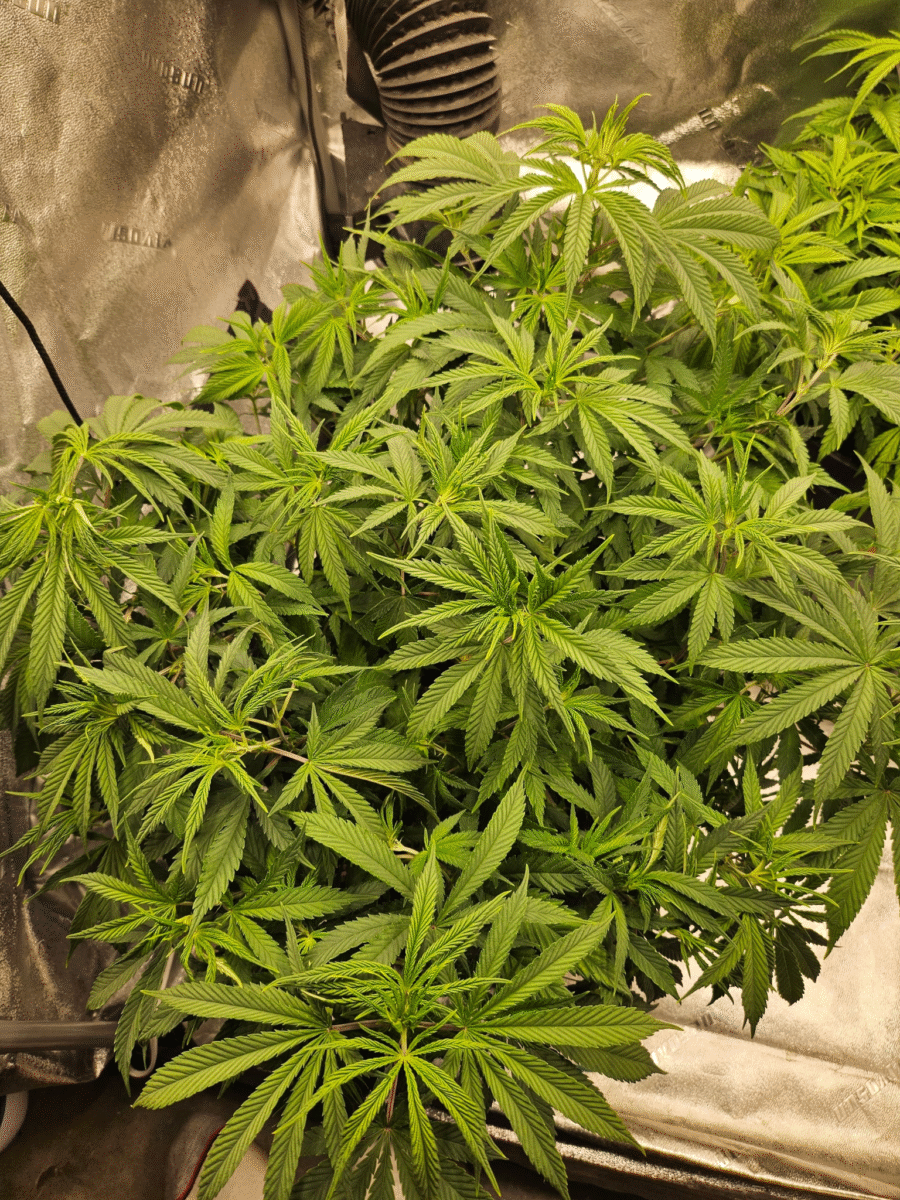
Cannabis mother plant maintenance is all about using gentle techniques that keep the growth rate steady, the structure manageable, and the node spacing tight. Here’s how:
Prune Your Crops to Promote New Growth
Regularly remove any old, shaded, or damaged leaves to improve airflow through the canopy. Pruning cannabis mother plants doesn’t just mean good shaping, though. Removing top growth lowers auxin levels and boosts cytokinin activity, which encourages more lateral shoots to form, leading to:
- A bushier structure.
- More clone sites.
- Faster rebounds after taking cuttings.
- More predictable, vigorous growth over time.
These practices help your mom crops stay productive for far longer, supporting many more new generations of clones.
Use Topping to Create More Clone Sites
Topping is one of the easiest ways to turn your cannabis mother into a clone-making machine. To top your plant, wait until a branch has at least 3–5 nodes, then use clean scissors to snip just above a node. This causes the crop to redirect energy into the nodes directly below the cut.
They quickly grow into new leading branches, tightening node spacing and doubling your future clone sites. With routine topping (every few weeks or whenever new tips develop), your mother plant stays bushy, balanced, and capable of producing a steady supply of strong, uniform clones.
Manage Bushy Growth With Training
The best cannabis mother plant training method is LST, where you gently bend branches outward to keep the canopy wide and evenly lit. LST also helps with how to keep a mother plant small – by spreading growth horizontally rather than vertically, you control height without sacrificing clone output. It prevents excessive vertical stretch, improves light distribution, and pairs well with topping. The result is balanced plant growth with more sites for more cuttings.
Root-Prune to Refresh the Root Mass
When the root ball becomes dense, starts circling the pot, or shows signs of a slowed growth rate, it’s time for root pruning. This resets the root mass, improves nutrient uptake, and keeps mature mothers productive.
You’ll know to root-prune when roots peek out of drainage holes, the top layer of soil compacts, or branches feel a bit woody and less flexible. Mild nutrient deficiencies can show up too (even with a good feeding routine).
Here’s how to root-prune your mother weed plants:
- Use sanitized tools and gloves to prevent any root infections.
- Reduce foliage a week before to help the mother redirect energy into new root growth.
- Slide the plant out of the pot when the soil is slightly moist (not too wet or too dry).
- Trim a thin layer from the bottom and sides of the root ball but avoid the central crown.
- Repot with fresh soil or coco that’s well-draining to maintain root health.
- Water thoroughly and keep lighting soft for a few days while the plant recovers.
Most growers root-prune every 3–6 months, depending on pot size and plant vigor. Just avoid root pruning 3–4 weeks before or after any clone procedures, since your cannabis mothers need some recovery time.
If you prefer a more hands-off approach, fabric pots naturally “air prune” root tips and reduce how often manual pruning is needed.
Your Mother Plant’s Cloning Routine: Timing, Technique & Care
A huge part of cannabis mother plant care is knowing when and how to take cuttings. With a simple, steady routine, she’ll give you consistent clones for every grow. Here’s what to keep in mind:
Make Some Pre-Cloning Feeding Adjustments
Reduce nitrogen slightly a week or two before cloning to firm up new growth and improve cutting quality, while maintaining overall plant health.
Choose the Right Moment to Take Cuttings
Your mother plant should be vegging for at least 4–6 weeks before you start cloning, with lateral shoots and bright, healthy foliage. At this stage, stems are firm enough to root well but still soft enough for clean, successful cuts.
Make Clean Cuts for Healthy Root Development
Use sterilized scissors or a razor blade to avoid contamination. Take each cutting at a 45-degree angle just below a node, remove the lower leaves, dip the stem in rooting hormone, and place it into your chosen medium. Good sanitation during cloning procedures helps protect both the mother plant and the new clones from pathogens.
Encourage Fast Rooting
Rapid rooters, peat plugs, rockwool cubes, and aeroponic cloners all work well as long as humidity stays high and temperatures remain warm and stable. Young cuttings dry out quickly, so a gentle, moist environment is essential for early root development and consistent success.
Let Your Cannabis Plant Recover After Cloning
After taking cuttings, offer your mother weed plant a light recovery feed. Avoid heavy nutrients — they can slow her rebound during this brief stress window. Keep lighting gentle so she continues producing healthy new growth for your next round of clones.
Know How Often and How Many Clones You Can Take
So, how many cannabis clones can a cannabis mother produce at once? Depending on size and training, many well-managed mother plants produce anywhere from 10–30 viable cuttings per session.
Most growers take cuttings every 2–4 weeks, depending on the mother crop’s growth rate and recovery. If she looks thin, slow, or recently went through pruning or root work, give her extra time before the next round.
Check Plant Health and Vigor Daily
Keep an eye out for early nutrient deficiencies like pale leaves, brown edges, or spotting — small signs that it’s time to adjust feeding before clone quality drops. A quick daily glance also helps you catch wilt from uneven watering or changes in your soil or medium. Healthy color and steady new growth are your cues that your mother is on track to keep producing strong clones.
When to Refresh or Replace a Cannabis Mother Plant
A healthy mother crop can stay productive for six months to more than two years, so how long can a mother plant live? With careful pruning, fresh soil, and root care, some growers extend a single mother’s lifespan well beyond two years.
Others rotate mothers every 6-12 months as a matter of routine. The right answer depends on your strain, space, and whether she’s still producing strong, consistent clones without extra effort.
- Watch for early signs of decline. Slower plant growth, weaker branching, fading clone quality, or roots circling inside the pot often signal that older mother plants need attention. These issues develop gradually and are common in long-term setups.
- Rejuvenate and refresh. Combine heavy top pruning with a refresh of the root system. Trim woody branches, reshape the canopy, and encourage a new generation of shoots. Then prune the root ball, repot with new soil (or your chosen medium), and give your cannabis mother a stable environment to bounce back.
- Know when to replace your mother plant. If a plant continues producing weak or inconsistent clones even after rejuvenation, it’s time to promote a cutting as your new mother plant. This keeps your genetics stable across many generations.
Some growers replace their mom crop every 6–12 months, but it boils down to your strain, space, and production goals. A good rule of thumb: keep her as long as she’s producing healthy clones without extra effort.
Mother Plant Care: Preventing Pests, Disease & Viroids
Since a cannabis mother plant stays in veg long-term, it has a longer window for pests and pathogens to settle in. Here’s how to prevent these issues from spreading to your entire grow:
- Watch for early pest pressure. Spider mites, thrips, powdery mildew, and other common threats thrive in warm, stagnant spaces. Check leaves daily (top and bottom) for speckling, leaf curl, slowed plant health, or discoloration.
- Keep your tools and space clean. Good sanitation is essential for long-term mothers. Use dedicated pruning tools for each plant, disinfect before and after use, and maintain steady airflow with filtered intake air. A hygienic grow tent dramatically reduces the risk of contamination.
- Know the risks of hop latent viroid. HpLVd is one of the most serious threats to mother rooms. It spreads through cuts, shared tools, or contaminated plant material and causes stunting, brittle leaves, poor vigor, and weak clones.
Once detected, the safest response is to quarantine and remove the infected plant, then sterilize all tools and surfaces before introducing new genetics.
Master the Art of Cannabis Mother Plant Care
A well-cared-for cannabis mother plant supports your production goals. With the right lighting, nutrients, pruning, and protection, she becomes a reliable source of healthy, vigorous genetics for seasons to come.
Keep her environment steady, refresh her roots and structure when needed, and replace her before productivity slips. Treat your mother plant with care, and she’ll reward you with consistency, resilience, and the foundation for your best grows yet.
FAQs on How to Maintain a Healthy Cannabis Mother Plant
Can You Keep Multiple Mother Plants in the Same Room?
Yes, multiple mother plants can be kept in the same grow room as long as airflow, spacing, and sanitation are properly managed. Each plant should have adequate light exposure and room for pruning access. Good ventilation and strict tool hygiene are essential to prevent pests, pathogens, or viroids from spreading between plants.
Does a Mother Plant’s Genetics Affect Clone Quality?
Yes, genetics play a major role in clone vigor, rooting speed, yield potential, terpene profile, and overall stability. Strong, resilient cultivars tend to maintain performance longer as mother plants, while weaker genetics may decline faster. Selecting a high-quality phenotype at the start ensures more consistent results across multiple generations of clones.
What Are the Signs of a Stressed Mother Plant?
Signs of stress in a cannabis mother plant include slow growth, pale or yellowing leaves, weak stems, stretched internodes, and reduced clone vigor. Leaf spotting, curling, or brittle branches may also indicate nutrient imbalance or root issues. Early detection followed by environmental correction or replacing the mother will help keep good quality clones.
What is a cannabis mother plant?
A cannabis mother plant is a female plant kept permanently in the vegetative stage so she can produce cuttings for cloning. By maintaining an 18/6 or longer light schedule, she never flowers – instead producing a steady supply of soft, rootable shoots. A well-managed mother plant can supply genetically identical clones for months or years, making her the backbone of any consistent, repeatable grow cycle.
How long does it take to grow a cannabis mother plant?
Most growers wait at least 4-6 weeks of healthy vegetative growth before taking the first cuttings. For best results, let her develop for 2-3 months so she has multiple lateral branches and firm, mature stems. Starting from seed, that means roughly 8-12 weeks from germination before she’s reliably productive. Starting from a clone shortens this timeline since the plant already has an established root structure.
How many clones can you get from a mother plant?
A well-maintained mother plant produces anywhere from 10-30 viable cuttings per session, depending on her size, training, and how recently she was last cloned. Most growers take cuttings every 2-4 weeks. Regular topping and LST training increases the number of clone sites significantly over time. Give her adequate recovery time between sessions – if she looks thin or slow, wait an extra week before the next round.
How much light does a mother plant need?
Mother plants need more than 12 hours of light per day to stay in the vegetative stage. Most growers use an 18/6 schedule (18 hours light, 6 hours dark) as a reliable standard. A 20/4 cycle works well if you want faster growth and more frequent cloning. Light intensity should sit around 300-550 µmol/m2/s at canopy level – enough to support steady veg without causing excessive stretch.