
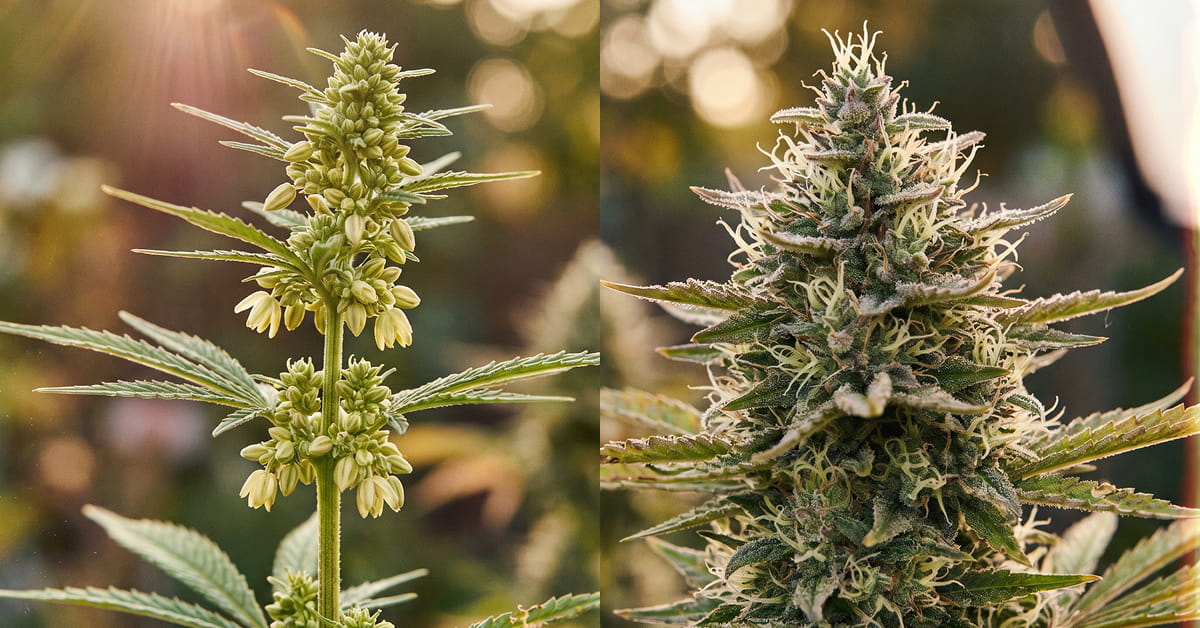
Male and female weed plants differ in one decisive way: female cannabis plants produce the cannabinoid-rich buds growers want, while male plants produce pollen sacs. That single difference decides almost everything about how you treat each plant. You keep females for their flowers, and you separate males before they pollinate the crop.
The catch is that cannabis plants do not show their sex at sprouting. They reveal it later, at the nodes, through small structures called preflowers. Learning to read those preflowers is how you tell male from female weed plants early enough to protect your harvest.
Quick answer: Check the nodes around week 6 from seed. A round, ball-like sac means the plant is most likely male. Wispy white hairs (pistils) growing from a teardrop-shaped calyx mean it is most likely female. When you are not sure, wait a few days and look again before you cull anything.
What Is the Difference Between Male and Female Weed Plants?
Male and female weed plants differ because female cannabis plants grow flower clusters loaded with resin, and male plants grow pollen sacs that fertilize those flowers. Female buds carry the bulk of the plant’s THC and other cannabinoids, which is why growers cultivate them for smokable or extractable flower. Male plants carry far less THC and never form buds.
This split exists because cannabis is dioecious, meaning a single plant is usually either male or female rather than both. Each plant inherits two sex chromosomes: female plants carry XX, and male plants carry XY. Seeds from two natural parents split close to 50/50 between the sexes, the same way the odds run in many animals.
Sex in cannabis is not fixed by genetics alone, though. Environmental stress can push a plant to grow flowers of the opposite sex, which is why the male-versus-female call sometimes turns out less clean than the chromosomes suggest. That edge case has its own section further down.
Why the Male vs Female Difference Matters for Your Harvest
Female weed plants lose potency when male plants pollinate them, so the male-versus-female call decides whether you harvest seedless buds or seed-filled ones. A pollinated female redirects energy into making seeds instead of resin. The result is lighter, harsher flower studded with seeds rather than the dense, sticky buds most growers are after.
Seedless flower has a name: sinsemilla, Spanish for “without seed.” Growers chase sinsemilla because an unpollinated female keeps pouring resources into trichomes and flower mass right up to harvest. Spotting and removing males before they release pollen is the most reliable way to keep a crop seedless.
This is also why timing matters so much. Males mature faster than females and can shed pollen before you have confirmed every plant’s sex, so the earlier you identify them, the safer your growing weed project will be.
How Do You Tell Male and Female Weed Plants Apart?
You tell male and female weed plants apart by reading their preflowers at the nodes, the points where branches meet the main stem.
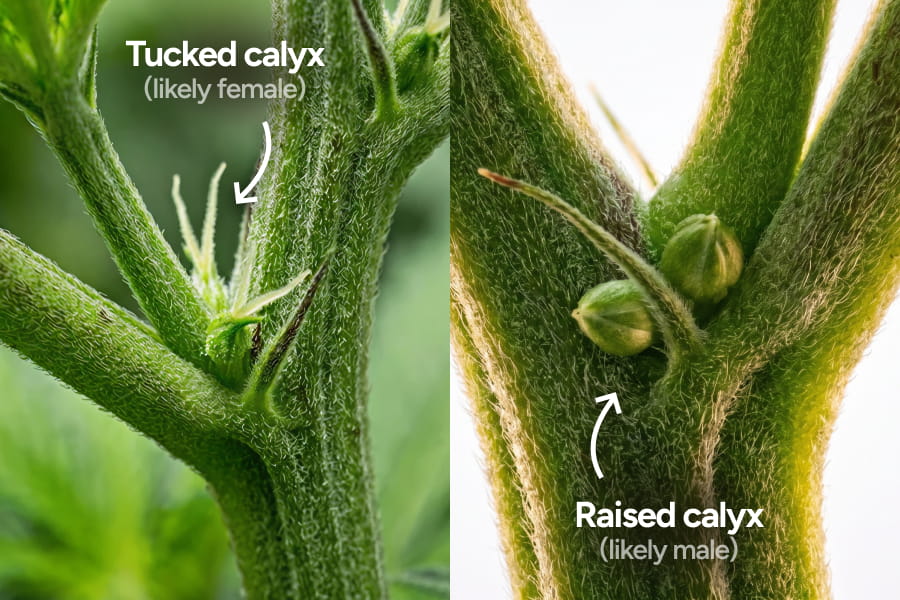
Female preflowers show a pistil with one or two white hairs emerging from a teardrop-shaped calyx. Male preflowers show a round, smooth pollen sac with no hairs. These signs usually appear around six weeks from seed, before the flowering stage begins.
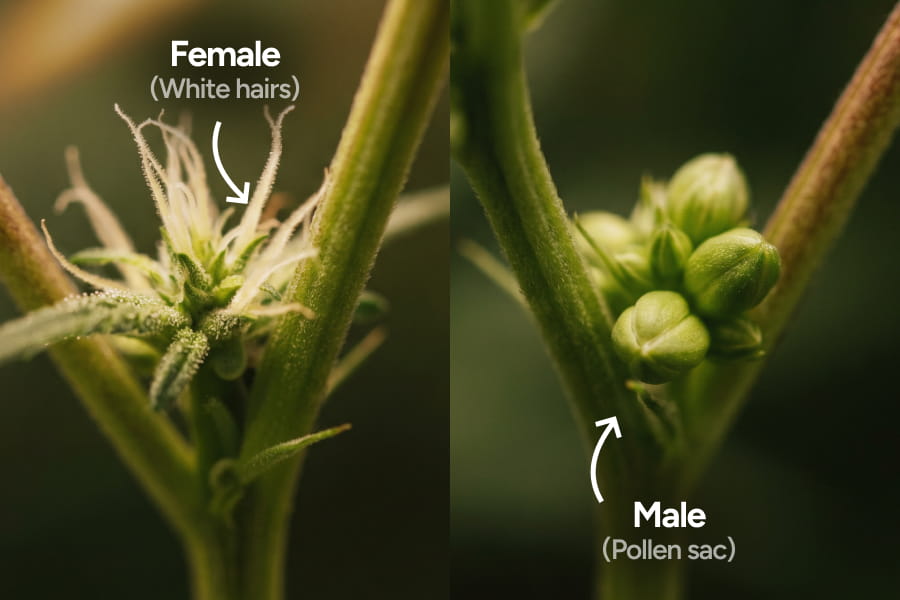
The four sections below walk through what to look for, in the order growers actually use them:
- What a female looks like — the white-pistil signal that marks a keeper.
- What a male looks like — the round pollen sac that marks a plant to isolate.
- Early-stage preflowers — how to read the nodes before flowering starts.
- Other sexing methods — cloning and growth-pattern clues when you need backup.
What Does a Female Weed Plant Look Like?
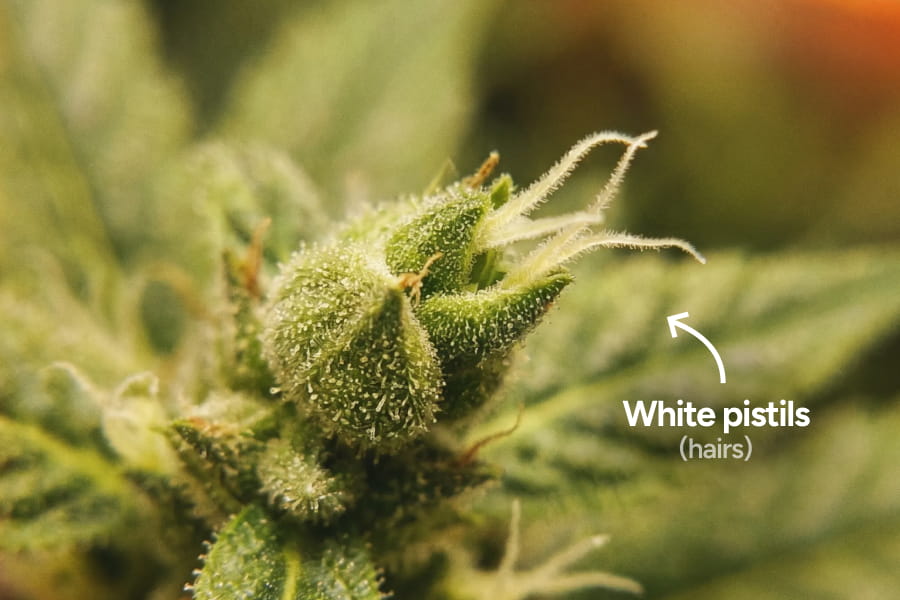
A female weed plant shows wispy white pistils emerging from a teardrop-shaped calyx at the nodes. Those pistils look like fine hairs, and they are the plant’s way of catching pollen from the air. As the plant matures, the calyxes stack into the flower clusters that eventually become buds.
Female structures tend to appear a little later than male ones, but they are easy to recognize once they show. Look on the main stem where branches attach, and on the branch tips. A pair of pale hairs at a node is the clearest early sign you are holding a female.
Later in flowering, those same sites swell into a dense cluster called the cola, made up of many smaller bud sites. The white hairs can darken to orange or brown as the flower ripens, which is normal and does not mean anything went wrong.
What Does a Male Weed Plant Look Like?
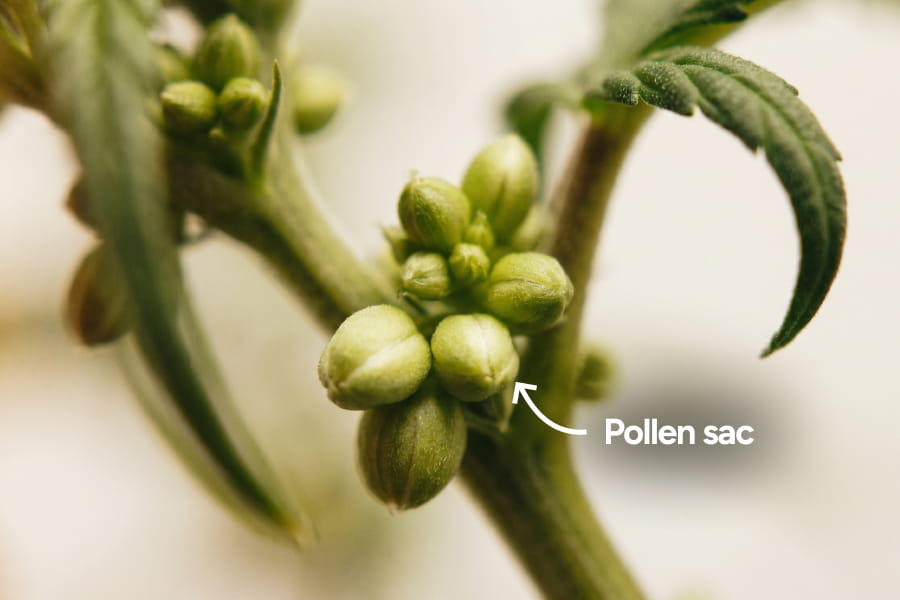
A male weed plant shows round, grape-like pollen sacs clustered at the nodes, and it often grows taller with sparser foliage than a female. The sacs start small and smooth, with no hairs, and hang in tight bunches that round out as they mature.
Males also tend to stretch. They commonly grow quicker and reach greater height roughly two weeks ahead of females, a head start that helps them drop pollen down onto the females below. Height alone is a weak signal, though, so confirm with the preflowers before you act.
Once those sacs mature, they split open and release pollen. That is the moment you want to avoid in a bud garden, so a confirmed male should be isolated or removed well before the sacs open.
Male vs Female Weed Plant Early Stage: Reading Preflowers
Male and female weed plants reveal early-stage preflowers at the nodes around six weeks from seed, before the flowering stage formally begins. Preflowers are the plant’s first immature sex structures, and they show up earlier than the full flowers most people wait for. Reading them early is what separates experienced growers from those who get surprised by pollen.
The simplest early signal is the calyx at a node. A calyx that sits raised on a tiny stalk usually points to a male, while a calyx that stays tucked against the node usually points to a female. The difference is subtle at first, and it gets easier to see with practice.
Plants grown outdoors tend to show these early differences more clearly than plants grown indoors under artificial light. If your early read is ambiguous, treat it as a watch-list item rather than a verdict, and check again in a few days.
How to Sex Weed Plants Using Other Methods
Growers sex weed plants beyond preflowers by cloning a cutting and forcing it to flower, which confirms the mother plant’s sex without risking the main crop. Because a clone carries identical DNA to its parent, its sex matches the parent’s sex. You take a small cutting, root it, and put it under an 8-hours-light, 16-hours-dark schedule to force it to flower where lawful.
Once the clone flowers, its sex tells you the sex of the host plant it came from. Keep clones labeled and separate from their parents so you do not lose track of which cutting came from which plant. This is the closest thing to a foolproof early method, and it leaves the main plant undisturbed.
Growth patterns offer a softer clue. Females often branch more densely as they move from the seedling stage into vegetative growth, while males tend to run taller and leggier. This signal is unreliable on its own, so use it only to decide which plants to watch, never as a reason to pull one early.
Here are some amazing seed deals. Buy 10 and get 10 seeds for free!
Male vs Female Weed Plant Comparison Chart
The male vs female weed plant comparison below ranks each visible trait by how reliably it predicts plant sex. Use the high-reliability rows first, and treat the low-reliability rows as supporting hints rather than decisions.
| Trait | Female weed plant | Male weed plant | Trust Level |
| Pre flower shape | Pistil with white hairs, teardrop calyx | Round pollen sac, no hairs | High |
| Node calyx (~week 6) | Calyx tucked, often not raised | Calyx raised on a small stalk | High |
| Flower timing | Matures later | Matures about two weeks earlier | Medium |
| Height and structure | Bushier, more branches | Taller, sparser, upright | Low |
The chart points to one habit worth keeping: lead with the preflowers and the calyx, because those are the traits that hold up. Height and timing can nudge your guess, but they should never be the reason you remove a plant. When two high-reliability signals agree, you can act with confidence.
What Are Male Weed Plants Used For?
Male weed plants supply breeding pollen, softer hemp fiber, and pest-deterring terpenes, which gives growers real reasons to keep a few rather than cull every one. The “useless male” reputation comes from bud growing alone, where pollen is the enemy. Outside that narrow goal, males do useful work.
Breeding is the clearest case. A male contributes half the genetics of every seed it fathers, so strong males matter as much as strong mothers when you want to create or preserve a strain. Males also produce more seed material overall, which is exactly what you need to keep a line going.
Males have other practical uses too. Their hemp fiber is softer than the female’s coarser fiber, which suits clothing and textiles, and their leaves and trimmings still contain enough THC to go into hash or concentrates rather than the trash. Male plants also carry terpenes that can help deter pests, so some growers keep one nearby as a natural garden protectant.
Can Weed Plants Be Both Male and Female?
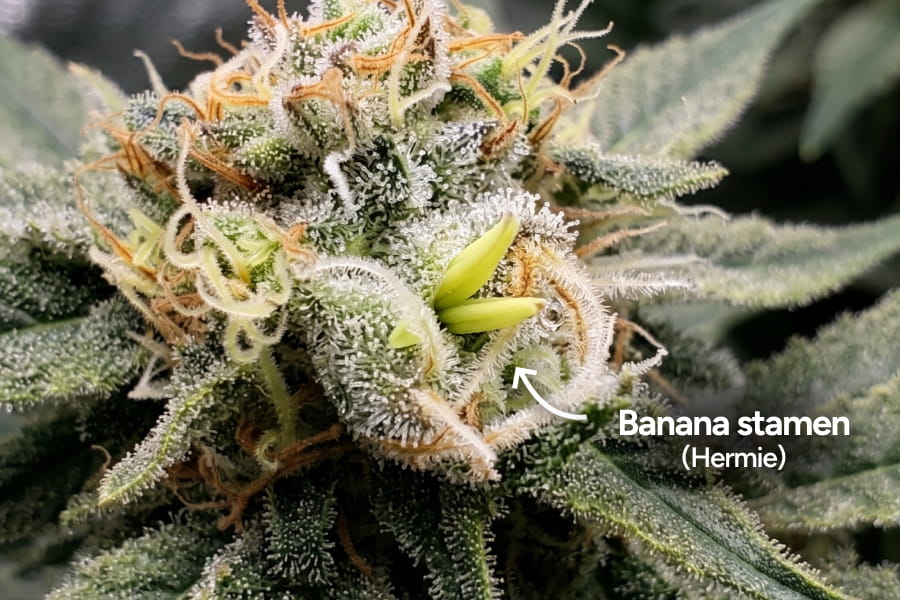
Yes, weed plants can develop both male and female parts when stressed, a condition growers call hermaphroditism, or a “hermie.” Cannabis carries this ability in its genome as a survival trait: when a plant senses that conditions are poor or that no mate is nearby, it can grow male flowers that pollinate it and the plants around it, a last-ditch way to still pass on its genes.
Stress is the usual trigger. Common causes include irregular light schedules, light leaks during dark periods, excessive heat, nutrient or pH problems, lack of water, and unstable genetics. You can read more about the early signs of hermie plant development and what sets it off. Spotting these stressors early is the best prevention.
Hermies come in two recognizable forms. A true hermaphrodite grows separate male and female structures and often resembles a male, with round pollen sacs. The second form, which growers call “bananas,” is a female that throws elongated yellow stamens that can shed pollen without even opening, making them easy to miss until the damage is done.
In a bud garden, most growers isolate or remove a confirmed hermie before it pollinates the rest of the room.
How Feminized and Autoflower Seeds Remove the Guesswork
Feminized cannabis seeds remove most male-plant uncertainty because they grow into female plants, which keeps a grower’s attention on bud care instead of culling. Choosing the right seed type at the start is the simplest way to skip the male-versus-female sorting problem almost entirely.
For growers who want a straightforward path, the seed type does more work than any identification trick. You can compare options across the full cannabis seeds catalog as eligible adult buyers, where permitted by law.
Why Feminized Seeds Reduce Seed-Sex Uncertainty
Feminized cannabis seeds grow into female plants in virtually all cases, which removes most of the male-culling work for beginner growers. Breeders create them using a silver-based method that coaxes a female plant to produce pollen, so the resulting seeds carry only female genetics.
The plants stay female even under ordinary growing conditions, which is what makes the seed type so predictable.
That predictability is the main appeal. Instead of germinating extra seeds to account for the males you would otherwise discard, you start with a batch that is almost entirely female. To understand the genetics behind the seed type, see how feminized seeds are made, or browse options to buy feminized seeds when you are ready to grow.
Where Autoflower Seeds Skip the Light-Cycle Step
Autoflower cannabis seeds flower on age rather than light cycle, which shortens the wait before sex shows and suits short-season outdoor grows. A standard photoperiod plant waits for shorter days before it flowers, but an autoflower starts flowering after about three weeks regardless of the light schedule. That timing means you reach the sex-revealing stage faster.
Feminized autoflower seeds combine both advantages: a quick turnaround and a female-only result, so you neither wait long nor sort out males. The plants stay compact and tend to fit outdoor spots well. Growers who want speed and simplicity often buy autoflower seeds for exactly this reason.
Male vs Female Weed Plant FAQ
When Can You Tell If a Weed Plant Is Male or Female?
Most weed plants reveal preflowers around six weeks from seed, before the flowering stage begins. Males often show first because they mature about two weeks ahead of females. Check the nodes for a round sac (male) or white hairs (female).
Can You Turn a Male Weed Plant Into a Female?
You cannot rewrite a plant’s chromosomes, but a male can be coaxed to show female-type characteristics with plant hormones. The practical route most growers use is the reverse: feminized seeds, which are bred to grow into female plants from the start where lawful.
When Do Male Weed Plants Release Pollen?
Male weed plants release pollen when their pollen sacs mature and split open, usually a week or two into the flowering stage. Isolate or remove confirmed males before this happens to keep a female crop seedless.
How Can You Tell If a Plant Is Male or Female Before Flowering?
Read the preflowers at the nodes during late vegetative growth, around week 6. A raised calyx on a small stalk points to male; a tucked calyx with white hairs points to female. Cloning and forcing the cutting to flower confirms the sex without disturbing the main plant.
Are Male Weed Plants Always Useless?
No. Males are unwanted in a bud-only garden, but they provide breeding pollen, softer hemp fiber, terpenes for pest control, and trim that can go into hash. Growers focused only on smokable flower remove them; breeders value them.
Do Feminized Seeds Ever Produce Male Plants?
Feminized seeds produce female plants at roughly a 99% rate, not a guaranteed 100%. Severe stress can still push a feminized plant toward hermaphroditism, so stable growing conditions matter even with feminized genetics.
TIP: Ready to skip the guesswork? Explore the ILGM seed shop for feminized and autoflower options.
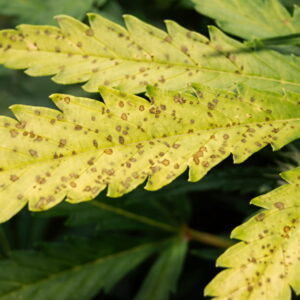
Started flowing stage week in found two hermies not for sure what’s going on but I don’t like it wondering if 24/0 to 12/12 was more than they could handle
I didn’t get these seeds from here but I will from now on
What about LED grow light compared to HPS light?
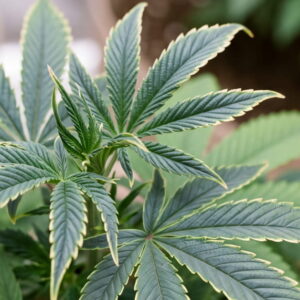
Hello my fellow plant lovers. I need help. I am a new grower and need help identifying my plant. Any advice would be appreciated.
Thanks man I just had some stressed out my fault but thanks for the education
I’ve been growing a plant,one plant out of 50 seeds would grow and it was producing 5 leaves on each leave every single one but all of a sudden it’s starting to grow 7 leaves do I cut these leaves off
Thank you. Finally an article that has everything you need to know. Searched through countless articles that Just say to look at the flowers. Hope more ppl like me find this site
I just started seeing preflowers…I fimed 3 and topped 3…now I am seeing tiny balls appearing on the lower branches coming up…not on the main stem yet…however at the stem on some they resemble more of a tear drop instead of the face of spades male look.. my question is how long to I wait to see if these produce hairs or other pollen sacs…its been about 3 days now and are popping up on almost all my side branches and the ones I do see on main stem seem more tear drop female calyx shape but on the other. Branches jyat tiny balls…one is actually almost raised out on stem like but then top it’s hard tell they look different…new grower so I dobt have my other light yet so be hard to clone and do 12 n 12 …I just finished up week 4 today….any suggestions or comments would be awesome and on any other suggestions as well…
Basic knowledge…plant’s sex. Not gender…maybe one day we will know enough about plants to know their gender spectrum Lol, cant even get away from this mix up in grow forums! 😉 peace n love <3
Lol actually princess marijuana plants just aren’t insecure about their sex whether they are male female or hermaphroditie. The only true genders btw. Haha don’t see any transvestite indica my friend. Cheers,
Arthur
Great info thank You
I started one feminized sour diesel plant a week ago it germinated perfectly and now i have thw two single leaves and now is starting in the three finger leaves I haven’t Used any Nutrients yet waitin to transfer into a 15gallon DWCis there certain things i should be looking for before i transfer and should i be giving The small plant any nutrients while it is still in soil or just feed water When the transfer is done And then nutrients
Can you simply give your Male plants the old snip and clip? If so what are the results?
Where can I buy female seeds to grow. I want to grow female plants indoors in a grow tent.
This information is very helpful And
Interesting
Thank you ILGM
Where can I purchase this sliver stuff to make my female plant pollinate a other female plant
Thank you so much that was an excellent explanation I truly appreciate it thank you I did definitely learn a lot of what I asked you thank you
Other than noticing the leggy plants with big spaces between nodes I’m still having a hard time differentiating between sexes.
If I send pics could u tell me what u think also got one plant wit weird leaves
Way back years ago, we had some plants we were growing. When we were growing them, we were told pinching the new growth off at the 3rd segment, causes it to branch and become very bushy, instead of tall and straight. Is this a good practice? does it result in more buds?