Duct Tape is a balanced hybrid cannabis strain known for heavy 23 to 25% THC potency, a diesel-and-chocolate flavor, and effects that move from euphoric and creative into deep body relaxation.
Growers and consumers are drawn to its Original Glue and Do-Si-Dos genetics, its sticky resin-heavy buds, and a sedating reputation strong enough to make tolerance a real question.
What Is the Duct Tape Strain?
Duct Tape is a balanced hybrid cannabis strain with a reputation for sticky, resin-coated buds and a potency that lives up to its adhesive name. Archive Seed Bank in Portland, Oregon bred the cultivar by crossing Original Glue (formerly Gorilla Glue #4) with Do-Si-Dos, producing a 50/50 indica-sativa profile that leans relaxing as the high settles in.
The strain earns its place among high-THC hybrids because it tests between 23% and 25% in most listings. Experienced consumers reach for the Duct Tape weed strain when they want a flavor-forward smoke with a strong, layered effect rather than a mild daytime option.
Phenotype expression varies by breeder, grower experience and growing environment, so two batches of Duct Tape seeds can differ slightly in aroma intensity and bud structure. The sections below break down its classification, genetics, cannabinoid profile, effects, flavor, terpenes and grow traits in full.
Duct Tape Strain Quick Facts
Use this quick facts table to compare Duct Tape by type, genetics, THC range, effects, flavor, terpenes, growing difficulty and seed availability.
| Property | Value |
| Strain name | Duct Tape |
| Type | Balanced hybrid |
| Ratio | 50% indica / 50% sativa |
| Genetics | Original Glue (GG#4) × Do-Si-Dos |
| Breeder | Archive Seed Bank (Portland, OR) |
| THC range | 23%–25% |
| CBD range | 0.47%–0.65% |
| Other cannabinoids | CBG ~1% |
| Main effects | Relaxed, sleepy, euphoric, creative |
| Flavor | Pepper, diesel, skunk, chocolate, nutty |
| Aroma | Diesel, earthy, pepper, pine, hash |
| Terpenes | Limonene, caryophyllene, myrcene |
| Flowering time | Around 10 weeks indoors |
| Grow difficulty | Easy to moderate |
| Best environment | Indoor or outdoor, mild tropical climate |
| Seed availability | Commonly produced as feminized seeds |
Is Duct Tape Indica or Sativa?
Duct Tape is usually classified as a balanced 50/50 hybrid, splitting its lineage evenly between indica and sativa parents. That even split shows up in the experience: an alert, cerebral lift arrives first, then a heavier indica-style body relaxation follows as the high matures.
The plant structure reflects its hybrid background, growing to a medium height with the dense, frosty buds that Original Glue and Do-Si-Dos both pass down. Because the sativa side energizes the mind while the indica side anchors the body, many users describe Duct Tape as a strain that starts social and finishes sedating.
Classification can vary by breeder, phenotype and source, so a balanced hybrid label works as a general guide rather than an exact prediction of effects. The even ratio also makes Duct Tape more of an evening or wind-down option than a pure daytime energizer.
Duct Tape Genetics and Lineage
Duct Tape descends from Original Glue (Gorilla Glue #4) and Do-Si-Dos, with its reported lineage tracing through Archive Seed Bank in Portland, Oregon and phenotype variation depending on source. The cross pairs two heavyweight modern hybrids, which explains the strain’s high resin output and pronounced fuel-and-sweet character.
From the Original Glue side, Duct Tape inherits its diesel pungency, sticky trichome coverage and couch-locking weight. The Do-Si-Dos parent contributes the dessert-leaning sweetness, the hash undertone and an extra layer of frost that makes the buds glitter under light.
Some seed-bank catalogs list this cultivar as “1937 Duct Tape,” which is a vendor listing reference rather than a separate strain or a vintage from that year. Archive Seed Bank’s cross is a modern hybrid, so any “1937” label points to the same Original Glue × Do-Si-Dos genetics described here.
Duct Tape genetics influence what growers see in plant structure, flowering time, resilience and aroma direction. How these plants turn out depends on the phenotype you get, your setup, and your experience as a grower.
Duct Tape THC and Cannabinoid Profile
Duct Tape is commonly listed with a THC range of 23% to 25%, with exact potency depending on phenotype, grow conditions, harvest timing, curing and testing source. That places it firmly in high-potency territory, which is why most listings tag it as a strain for experienced consumers.
Alongside THC, Duct Tape carries roughly 1% CBG and a low CBD range of about 0.47% to 0.65%. These minor cannabinoids stay well below the THC level, so they shape the chemical fingerprint without softening the strain’s strength.
| Active Compound | Range | Notes |
| THC | 23%–25% | Commonly listed; high potency |
| CBD | 0.47%–0.65% | Low, non-dominant |
| CBG | ~1% | Minor cannabinoid |
Beginners or low-tolerance consumers should approach high-THC batches carefully because reported strength can vary between growers and samples. Starting with a small amount is the safer way to gauge how this potency lands.

What Are the Effects of the Duct Tape Strain?
Duct Tape is commonly reported to feel euphoric, creative and energizing at first, with an experience that usually settles into deep, relaxing body weight. The opening rush hits the head quickly, lifting mood and sparking a burst of mental energy before the indica side takes hold.
As the high develops, that cerebral spark gives way to a warm, heavy calm that some users describe as couch-lock. The shift from active to sedating is part of what defines the Duct Tape strain effects, and it tends to last a while, so users often plan their session around it.
Commonly reported effects include:
- Euphoria — an early mood lift that arrives fast and feels uplifting
- Creativity — a mental spark some users channel into projects or conversation
- Relaxation — a warming body calm that builds as the high matures
- Sleepiness — a sedating finish that can lead toward a nap
| Effect | Intensity | Best Time | Notes |
| Euphoric | Strong | Evening | Fast-arriving mood lift |
| Creative | Medium | Evening | Cerebral energy early in the high |
| Relaxing | Strong | Evening / night | Builds into full-body calm |
| Sleepy | Medium | Night | Sedating finish for many users |
Because the strain consistently tests at 23 to 25%, beginners and THC-sensitive users should start slow. The effects are long-lasting, so a small amount goes a long way.
Is the Duct Tape Strain Better for Day or Night?
Duct Tape suits evening and nighttime use because its sedating back half tends to overpower the early creative lift. While the opening rush can feel productive, the deep relaxation that follows makes it a poor match for a busy daytime schedule.
Users who want to stay active should test their tolerance before reaching for it during working hours.
Here are some amazing seed deals. Buy 10 and get 10 seeds for free!
Duct Tape Side Effects and Beginner Caution
Duct Tape may cause dry mouth, dry eyes and feelings of anxiety in some users, especially those new to high-THC cannabis. As with most potent strains, the intensity of these reactions tracks closely with how much is consumed and the individual’s tolerance.
The most commonly reported side effects include:
- Dry mouth — manageable by staying hydrated before and during a session
- Dry eyes — common with high-potency strains
- Anxiety — more likely when consuming too much too fast
- Couch-lock — the heavy body relaxation can pin low-tolerance users in place
Starting slow usually keeps these reactions mild. Having water and a snack on hand makes the experience more comfortable, since the munchies are a frequent companion to this strain.
Duct Tape Flavor and Aroma
Duct Tape flavor is usually described as peppery and diesel with skunky, nutty and sweet chocolate notes, while the aroma carries a heavy fuel character layered with hash, pepper and pine. The taste mirrors the smell closely, opening on gas and spice before a surprising chocolate aftertaste lingers on the exhale.
On the flavor side, the strain leads with a peppery, gassy diesel punch and a skunky bite inherited from Original Glue, then rounds out with woody, nutty and sweet chocolate tones from the Do-Si-Dos parent. That chocolate aftertaste is one of the strain’s signatures and tends to stay on the palate well after the toke.
The aroma is bold and not especially discreet. Expect:
- Diesel and fuel — the dominant first impression from the Original Glue line
- Pepper and spice — a sharp note tied to its caryophyllene content
- Earth and pine — a grounding base under the gas
- Chocolate and hash — sweet, resinous undertones from Do-Si-Dos
The combined effect is a pungent, fuel-forward profile with a sweet finish, which is why Duct Tape stands out in a lineup of gassy hybrids.
Duct Tape Terpene Profile
Duct Tape expresses limonene, caryophyllene and myrcene as its main terpenes, a combination that produces its bright, peppery and slightly earthy aromatic edge over a heavy diesel base. Limonene brings the sharp lift, caryophyllene contributes the peppery, spiced bite, and myrcene rounds the profile toward the strain’s relaxing, sedating character.

| Terpene | Presence | Aroma / Flavor Link |
| Limonene | Lead | Sharp, bright edge over the fuel-and-sweet base |
| Caryophyl. | Secondary | Peppery, spiced bite |
| Myrcene | Secondary | Earthy depth tied to the relaxing finish |
Together these three terpenes explain why Duct Tape reads as peppery and gassy on the nose while still carrying the sweet, earthy weight that defines its longer-lasting body effects.
What Does the Duct Tape Strain Look Like?
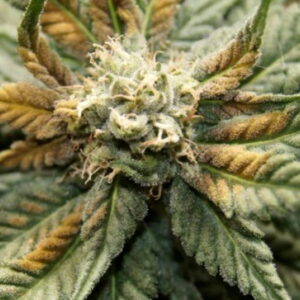
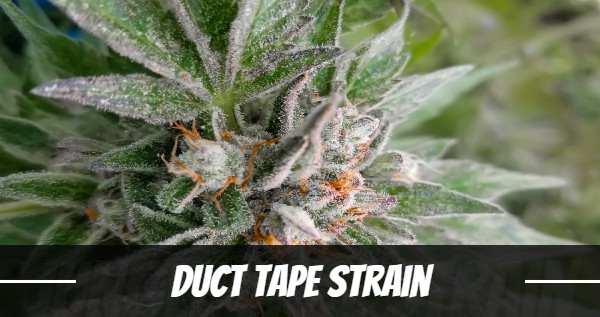
Duct Tape produces tapered, spade-shaped nugs in a light minty-green shade, accented by clear-to-amber pistils and a thick coating of white crystal trichomes. The buds carry even more frost than their parents, which gives them the sticky, resin-heavy surface that the strain is named for.
The dense structure and heavy trichome layer make the flowers feel tacky to the touch, a visual cue to the high resin content that also drives the potency. Under light, the frosted coating gives the minty-green calyxes a silvery sheen that growers often single out as a standout trait.
Growing Duct Tape Strain
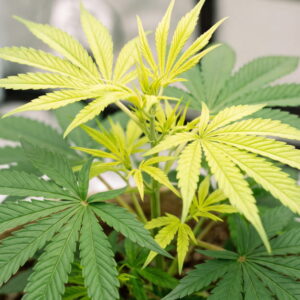
Duct Tape grows as a fairly approachable plant that rewards growers with sticky, resin-rich buds and a generous yield. It performs both indoors and outdoors, though it prefers a mild, somewhat tropical climate with steady warmth and moderate humidity around 55%.
Plants reach an average height near 48 inches (1.22 m), so training, topping or trimming helps light reach the lower buds. Quick grow points for Duct Tape:
- Difficulty — easy to moderate; suitable for growers with some experience
- Height — averages around 48 inches (1.22 m) and benefits from training
- Climate — favors warm, mild conditions with controlled humidity
- Resin — heavy trichome coverage makes for sticky, frosty flowers
The plant’s even hybrid structure keeps it manageable in most setups, but its height means indoor growers should plan their space and canopy management early.

Growing Duct Tape Indoors
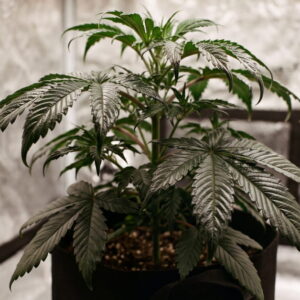
Indoors, Duct Tape generally finishes flowering in around ten weeks and responds well to canopy training that opens up the lower bud sites. Keeping daytime temperatures near 76°F (24°C) and nighttime temperatures around 69°F (21°C) supports healthy development, while steady humidity management protects the dense, resin-heavy buds.
Topping and trimming early help control the roughly 48-inch height in a confined grow space.
Growing Duct Tape Outdoors
Outdoors, Duct Tape suits a warm, mild climate and typically finishes with a fall harvest. The plant appreciates plenty of water and humidity near 55%, and its size means it needs room to spread without drawing unwanted attention.
Growers in cooler regions should watch the calendar, since the balanced hybrid finishes in autumn and needs to ripen before the first frosts arrive.
Duct Tape Seeds
Duct Tape seeds are commonly produced as feminized cannabis seeds, the format most growers choose when they want all-female plants and a predictable flowering schedule. Feminized packs remove the guesswork of sexing plants, which suits both newer growers and anyone optimizing limited canopy space for this resin-heavy hybrid.
Growers who want a quicker, season-flexible option can also explore autoflower seeds in a similar profile, since autoflowering plants finish on an age-based timeline rather than a light schedule.
Both formats fit the wider range of marijuana seeds ILGM stocks for hybrids in the Duct Tape family, and the right pick depends on setup, climate and grower experience. Whichever format you choose, the genetics behind Duct Tape carry the same diesel-sweet character and heavy frost described throughout this profile.
Duct Tape vs Similar Strains
Compare Duct Tape with similar strains if you want a different effect profile, flavor direction, potency level, genetic background or growing behavior.
Original Glue (GG#4)
Best for: Heavy relaxation
Main difference: A parent strain with a more pure diesel profile.
Flavor: Diesel, pine, earth
Potency: High (24%+)
Choose this if you want the gassy parent behind Duct Tape.
Do-Si-Dos
Best for: Sweet, sedating nights
Main difference: A parent strain with sweeter flavors and more indica-leaning traits.
Flavor: Sweet, earthy, floral
Potency: High (~28%)
Choose this if you prefer dessert-like sweetness over fuel-forward flavors.
GMO (Garlic Cookies)
Best for: Pungent, potent evenings
Main difference: Offers a savory garlic-diesel profile instead of Duct Tape’s chocolate notes.
Flavor: Garlic, diesel, savory
Potency: Very high (25%+)
Choose this if you enjoy funky, savory gas profiles.
Gelato
Best for: Balanced, flavorful effects
Main difference: A lighter, dessert-forward hybrid with less sedating effects.
Flavor: Sweet, berry, creamy
Potency: High (~22%)
Choose this if you want a sweeter, more upbeat hybrid.
Each comparison strain shares either genetics, potency, or the gassy-sweet flavor direction that defines Duct Tape, so the right pick depends on whether you prioritize lineage, flavor, or effect intensity.
FAQs About the Duct Tape Strain
What Is the Duct Tape Strain?
Duct Tape is a balanced 50/50 hybrid cannabis strain bred by Archive Seed Bank from Original Glue and Do-Si-Dos. It is known for high 23 to 25% THC, sticky resin-coated buds, a diesel-and-chocolate flavor, and effects that move from euphoric and creative into deep body relaxation.
Is Duct Tape Indica or Sativa?
Duct Tape is a balanced hybrid, split evenly at roughly 50% indica and 50% sativa. The experience reflects that balance, opening with a cerebral, energizing lift before settling into a heavier, relaxing indica-style body effect, which makes it lean toward evening use.
How Strong Is Duct Tape?
Duct Tape is a high-potency strain, commonly testing between 23% and 25% THC. That strength places it among the more powerful hybrids, so beginners and low-tolerance users should start with a small amount, since reported potency can vary between growers and samples.
What Are the Effects of the Duct Tape Strain?
Duct Tape is commonly reported to feel euphoric, creative and uplifting at first, then deeply relaxing and sometimes sleepy as the high matures. The effects tend to be long-lasting, with a sedating finish that many users find better suited to evenings than busy days.
What Does Duct Tape Taste Like?
Duct Tape tastes peppery and gassy up front, with skunky, woody and nutty notes and a distinctive sweet chocolate aftertaste on the exhale. The diesel-forward flavor mirrors its aroma closely, and the lingering chocolate finish is one of the strain’s most recognizable traits.
What Does Duct Tape Smell Like?
Duct Tape smells strongly of diesel and fuel, with a peppery, skunky bite over earthy and pine notes and hints of chocolate and hash underneath. It is a pungent, far-from-discreet strain, with the heavy gas aroma inherited largely from its Original Glue parent.
What Are the Genetics of the Duct Tape Strain?
Duct Tape crosses Original Glue (Gorilla Glue #4) with Do-Si-Dos and was bred by Archive Seed Bank in Portland, Oregon. From Original Glue it inherits diesel pungency and resin output, while Do-Si-Dos contributes sweetness, a hash undertone and extra trichome frost.
What Is “1937 Duct Tape”?
“1937 Duct Tape” is a seed-bank listing reference for the same Original Glue × Do-Si-Dos cultivar, not a separate strain or a variety from the year 1937. Archive Seed Bank’s Duct Tape is a modern hybrid, so the label points to the genetics described throughout this profile.
What Terpenes Are in Duct Tape?
Duct Tape’s main terpenes are limonene, caryophyllene and myrcene. Limonene adds a bright, sharp top note, caryophyllene contributes a peppery, spiced edge, and myrcene brings the earthy depth tied to the strain’s relaxing finish. Together they balance the fuel-forward base with sharper, spiced and grounding tones.
How Long Does Duct Tape Take to Flower?
Duct Tape usually flowers in around 10 weeks indoors with an outdoor harvest in fall; grow-from-seed expectations and seed-type timing differences vary by setup and phenotype. Indoor growers can support healthy flowering with steady temperatures and controlled humidity.
Are Duct Tape Seeds Available?
Duct Tape seeds are commonly produced as feminized cannabis seeds, with autoflower options available in similar profiles; pack sizes, stock status and grow-from-seed details depend on the catalog source and current availability. Feminized packs suit growers who want all-female plants and a predictable flowering schedule.