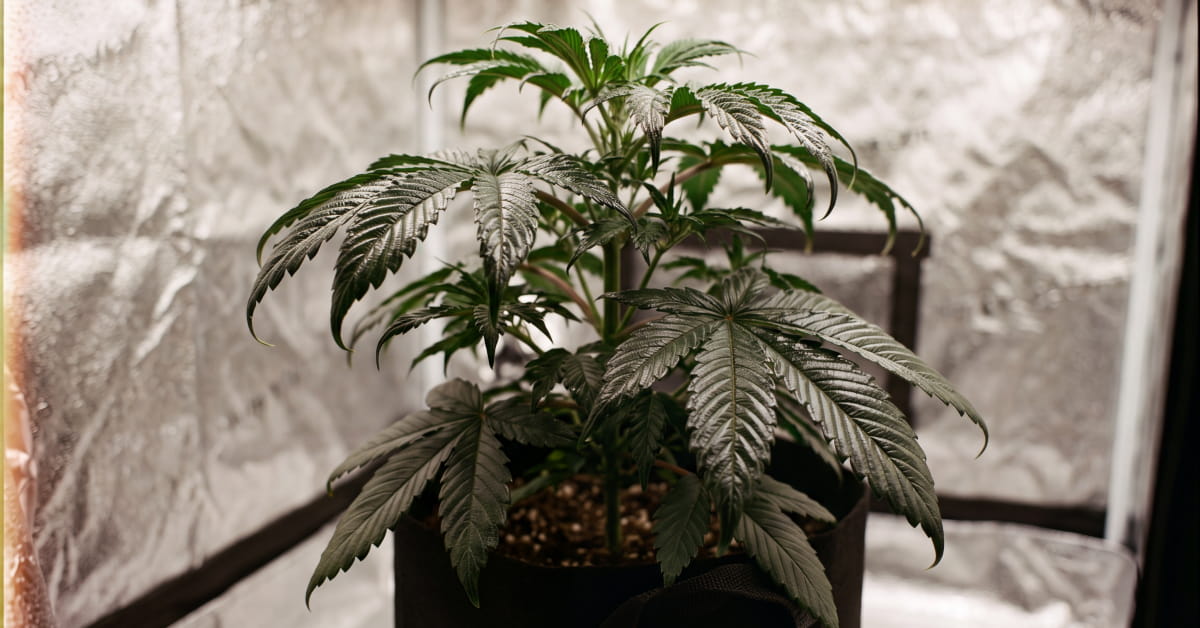
Dark green, glossy leaves with tips curling downward mean your cannabis plant has too much nitrogen, not too little. This guide shows you how to read those signs, trace them back to overfeeding, and correct the problem in both veg and flowering.
You’ll also learn to tell nitrogen toxicity apart from deficiency and overwatering, which look similar but need opposite fixes. By the end, you’ll know exactly what to change and how long recovery takes.
The quickest way to act: flush the root zone with pH-balanced water (aim for 5.8 to 6.0, where the salts dissolve and rinse out most easily) and cut nitrogen-heavy feeding right away. If the leaf tips are also browning and crisping, the excess has progressed to nitrogen burn and needs faster correction, especially during flowering when nitrogen should already be tapering off.
What Is Nitrogen Toxicity in Cannabis?
Nitrogen toxicity in cannabis develops when a plant absorbs more nitrogen than it can use, which forces excess into the leaves and disrupts healthy growth.
Nitrogen drives leaf and stem development, so plants pull it hard during the vegetative stage. Too much of it, though, overloads the tissue and shows up as deep green color, glossy leaves, and clawing tips.
Growers also call this condition nitrogen excess or overfeeding, and the tip-scorch version is nitrogen burn. All three describe the same root cause: nitrogen supply outpaces what the plant needs for its current stage. Left unchecked, nitrogen toxicity slows flowering, weakens bud structure, and stresses the plant’s overall system.
What Does Nitrogen Toxicity Look Like on Cannabis Leaves?
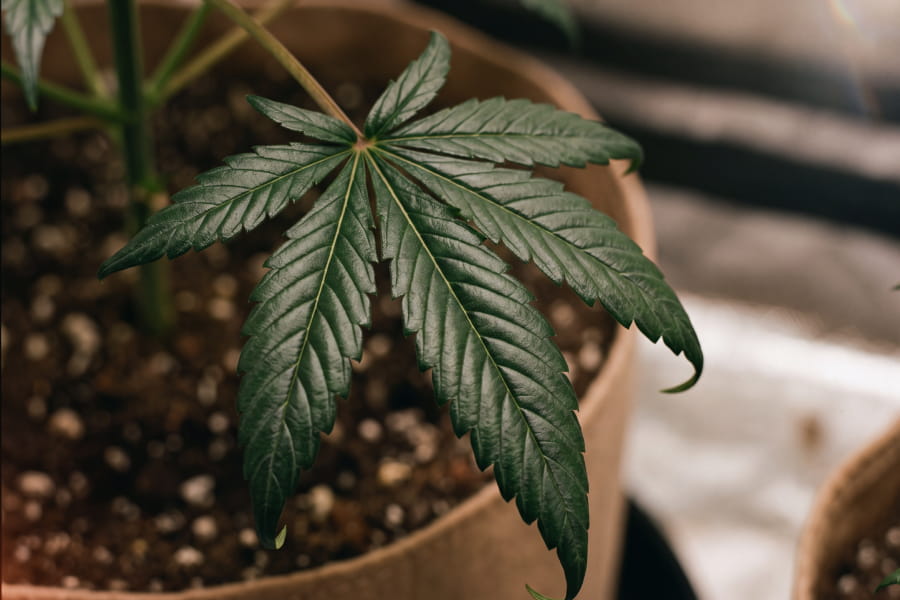
Nitrogen toxicity shows on cannabis leaves as a set of visible signs that progress in a predictable order, which makes it one of the easier plant problems to diagnose by sight.
The color changes first, the shape changes next, and the tips scorch last. Reading the signs in that order tells you how far the excess has gone.
Three symptoms carry the diagnosis:
- Dark green, glossy leaves — the earliest and most reliable sign that nitrogen is running high.
- Clawing and curling tips — the “nitrogen claw,” where leaf tips bend firmly downward.
- Brown, crispy tips (nitrogen burn) — the advanced stage where excess concentrates at the leaf margins.
Dark Green Cannabis Leaves and the Nitrogen Claw
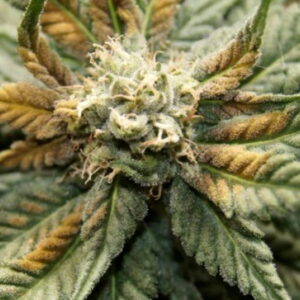
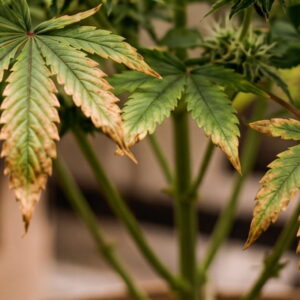
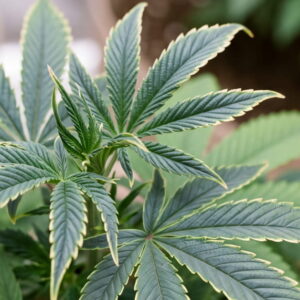
Dark green cannabis leaves are the earliest sign of nitrogen toxicity, appearing before the leaf shape changes at all. The green deepens beyond the plant’s normal shade and takes on a waxy, glossy sheen. This color shift is the most reliable single signal, because a healthy cannabis plant holds a medium, matte green rather than a dark, shiny one.
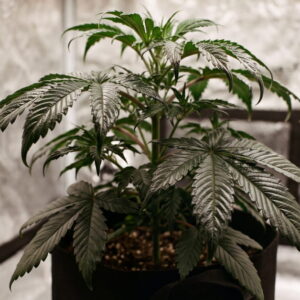
The nitrogen claw follows the color change. Leaf tips and edges bend downward in a firm, cupped curl, as if the leaf is pointing at the soil. Unlike a wilting plant, a clawing leaf stays stiff and dark, which separates nitrogen toxicity from a simple watering problem.
Clawing, Curling and Shiny Leaf Tips
The nitrogen claw bends cannabis leaf tips downward while the leaf itself stays firm and darkly colored. The curl usually starts at the very tip and works back toward the middle of the leaf as the excess builds.
Some growers also notice an unusually shiny, almost lacquered surface on the affected leaves.
That shine comes from the same nitrogen overload that darkens the leaf. It reflects light more than a healthy matte leaf does, which is why a glossy sheen alongside clawing points firmly at nitrogen toxicity rather than another nutrient issue.
Nitrogen Burn: Brown, Crispy Leaf Tips
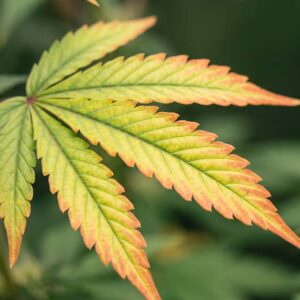
Nitrogen burn scorches cannabis leaf tips brown when excess nitrogen concentrates at the leaf margins and dries the tissue out. This is the advanced stage of nitrogen toxicity, and it means the excess has been present long enough to damage the leaf edges. The brown areas feel dry and crisp, and they do not recover once burned.
Nitrogen burn is one form of the broader nutrient burn growers see when any nutrient runs too high. When you spot crispy brown tips on dark, clawed leaves, treat it as a signal to correct feeding quickly, because the plant is already past the early-warning stage.
What Causes Nitrogen Toxicity in Cannabis?
Nitrogen toxicity in cannabis comes from overfeeding, over-rich soil, and misreading which stage the plant is in. Most cases trace back to a grower adding more nutrients than the plant can process, often out of a wish to push faster growth. The plant takes up the surplus whether it needs it or not, and the excess lands in the leaves.
Pre-fertilized or “hot” soils cause the same problem without any added feeding, because the medium already carries a heavy nitrogen load.
Timing plays a role too. A nitrogen-rich schedule that suits early veg becomes an overdose once the plant shifts toward flowering, when its nitrogen demand naturally drops. Matching the feed to the stage prevents most toxicity before it starts.
How Do You Fix Nitrogen Toxicity in Cannabis?
You fix nitrogen toxicity in cannabis by flushing the root zone and cutting nitrogen-heavy feeding until the plant recovers. The goal is to remove the surplus nitrogen already in the medium and then stop adding more. Correction works in two steps: clear the root zone first, then rebuild a feeding schedule the plant can actually use.
Flushing the Root Zone to Remove Excess Nitrogen
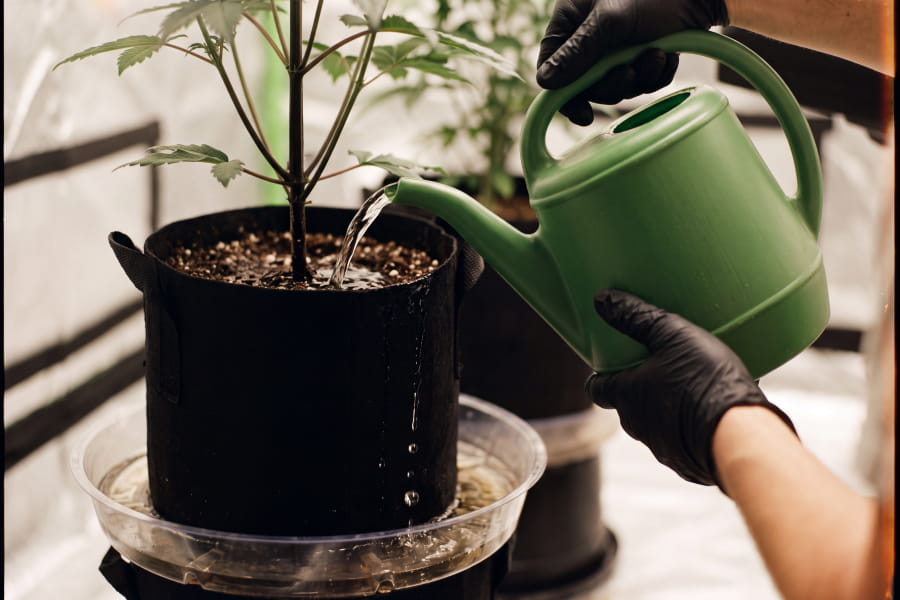
Flushing the root zone clears excess nitrogen by running plenty of pH-balanced water through the medium until it drains freely. For soil, keep going until the runoff reads low on a ppm meter, which tells you the salts have washed out.
The water carries dissolved nitrogen salts out of the medium and resets the root zone back toward the 5.8 to 6.0 range where nutrients stay soluble. (This is flushing to correct a real excess, which is different from the debated end-of-flower flush some growers do purely for flavor.)
After flushing, let the medium dry back to its normal weight before watering again. Overwatering a stressed plant stacks a second problem on top of the first, so patience here protects recovery.
Adjusting Your Feeding Schedule After Flushing
Adjusting your feeding schedule prevents the toxicity from returning once the flush clears the root zone. Restart nutrients at a reduced strength, often half of what you fed before, and watch how the new growth responds. New leaves that come in a normal medium green tell you the balance is back.
Match the nitrogen level to the plant’s stage from this point on. Vegetative plants tolerate more nitrogen, while flowering plants need progressively less, so a stage-aware schedule keeps the problem from repeating.
How Do You Fix Nitrogen Toxicity During Flowering?
Nitrogen toxicity during flowering needs faster correction because excess nitrogen delays bud development and weakens the harvest. During flowering, a cannabis plant shifts its energy toward producing buds and naturally needs far less nitrogen than it did in veg.
Feeding a veg-strength nitrogen mix into flower is one of the most common causes of toxicity at this stage.
Fan leaves that stay dark and clawed deep into flowering are the warning sign, and light green new growth can appear as the plant struggles to balance itself. Flush the root zone the same way you would in veg, then switch to a bloom-focused feed that carries less nitrogen and more phosphorus and potassium.
Correcting early in flowering gives buds the room to develop; correcting late leaves less time to recover before harvest.
What’s the Difference Between Nitrogen Toxicity and Deficiency?
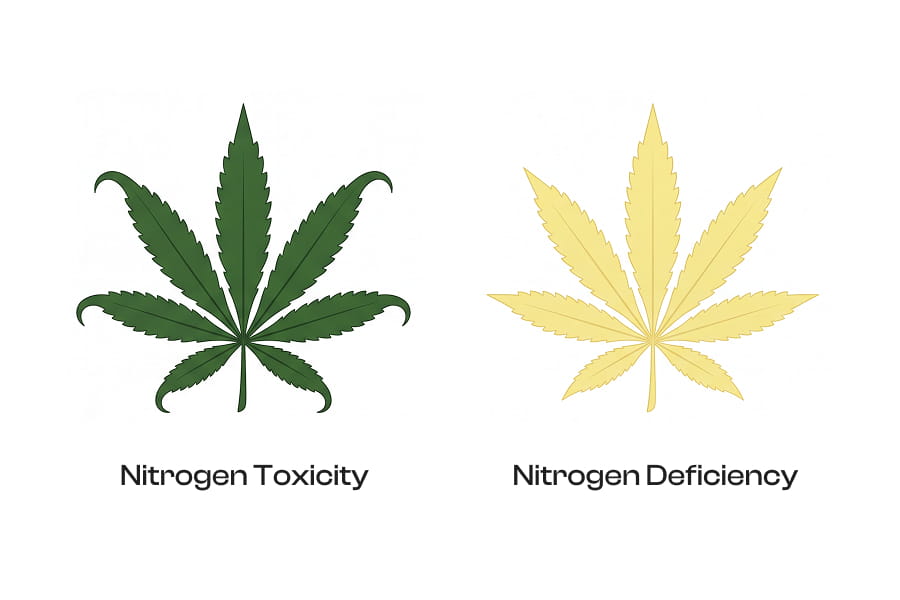
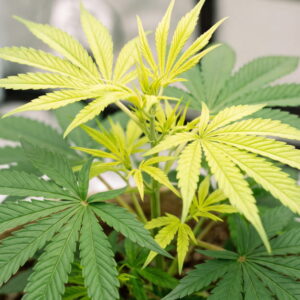
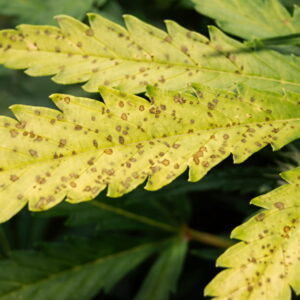
Nitrogen toxicity turns cannabis leaves dark green and clawed, while nitrogen deficiency fades them yellow from the bottom up.
The two problems sit at opposite ends of the same nutrient, so confusing them leads to exactly the wrong fix. Toxicity means too much nitrogen and calls for flushing; nitrogen deficiency means too little and calls for feeding.
The clearest tell is direction and color. Toxicity darkens the plant and shows in newer upper growth, while deficiency pales the plant and starts in the oldest lower leaves as the plant pulls nitrogen from them to feed new growth.
| Trait | Nitrogen Toxicity | Nitrogen Deficiency | Reliability |
| Leaf color | Dark green, glossy | Pale, yellowing | High |
| Where it starts | New, upper growth | Old, lower leaves first | High |
| Progression | Top-down or overall | Bottom-up | High |
| Leaf shape | Claws and curls downward | Flat, then drops | Medium |
| Leaf tips | Brown and crispy (burn) | Whole leaf yellows | Medium |
Use the color and starting position first, because those are the most reliable signals. If leaves are dark and the top growth is affected, you’re looking at toxicity; if leaves are pale and the bottom growth yellowed first, you’re looking at the deficiency and should feed rather than flush.
Nitrogen Toxicity vs Overwatering: Which One Is It?
Nitrogen toxicity and overwatering both droop cannabis leaves, but the leaf color and firmness separate them cleanly. A nitrogen-toxic leaf stays dark, firm, and clawed as it curls, holding its structure even while it points downward. An overwatered leaf goes limp and soft, drooping from the weight of water rather than curling with tension.
Check the growing medium to confirm. Overwatering leaves the medium heavy and wet for days, while nitrogen toxicity shows up regardless of how wet or dry the pot is.
When the leaves are dark green and firm, treat it as nitrogen; when they’re pale and limp over a soggy medium, let the medium dry back before assuming a nutrient problem.
How Long Does Nitrogen Toxicity Take to Recover?
Cannabis usually recovers from nitrogen toxicity within one to two weeks after you flush the root zone and correct feeding. The damaged leaves themselves do not heal, so any browned or heavily clawed leaves stay marked. Recovery instead shows in the new growth, which comes in a healthy medium green once the balance returns.
Recovery time varies with severity and stage. A plant caught early in veg bounces back quickly, while one corrected late in flowering has less time to benefit before harvest. Watch the newest leaves as your progress marker, and resist the urge to add nutrients back too fast.
How Nitrogen Toxicity Fits the Wider Nutrient Toxicity Picture
Nitrogen toxicity is one type of cannabis nutrient toxicity, alongside imbalances in nutrients like potassium and phosphorus. Each nutrient produces its own leaf signature, which is why a symptom-by-symptom read matters more than a general “something’s wrong” reaction.
A grower who learns to separate a general nutrient burn from targeted issues like potassium deficiency and phosphorus deficiency fixes problems faster and loses fewer leaves.
A healthy plant also starts with stable genetics, and quality weed seeds resist stress better than unstable stock when a feeding mistake happens.
Growers who want predictable, single-plant results without sexing often start with feminized seeds, which removes one variable while they dial in feeding. Because auto cannabis seeds run on a fixed age-based timeline, a nitrogen mistake during their short cycle leaves less room to recover, so lighter feeding suits them well.
Whichever seeds you grow, the correction stays the same: match nitrogen to the stage, flush when the leaves darken and claw, and read the new growth to confirm the plant is back on track.
FAQ
How Do You Fix Nitrogen Deficiency During Flowering?
Nitrogen deficiency during flowering is the opposite of toxicity, so it calls for feeding rather than flushing. Some yellowing of lower leaves is normal late in flower as the plant redirects nitrogen to its buds. If the fade climbs quickly up the plant, add a light nitrogen source and watch whether new growth greens back up.
Can Nitrogen Toxicity Kill a Cannabis Plant?
Nitrogen toxicity rarely kills a cannabis plant outright, but severe, prolonged excess weakens it enough to reduce the harvest sharply. The bigger risk is a stunted flowering stage and poor bud development rather than sudden death. Correcting it early keeps the damage limited to a few marked leaves.
Do Seedlings Get Nitrogen Toxicity?
Seedlings get nitrogen toxicity easily because their small root systems handle only very light feeding. Most seedling cases come from planting into a hot, pre-fertilized soil or feeding nutrients too soon. Start seedlings in a mild medium and hold off on added nutrients until the first true leaves are established.
What Is a Cannabis Nutrient Toxicity Chart?
A cannabis nutrient toxicity chart maps leaf symptoms to the nutrient causing them, so growers can match what they see to a likely cause. The comparison table above works as a focused version for nitrogen toxicity versus deficiency. For other nutrients, each one carries its own color and pattern signature worth checking against.
Why Are My Cannabis Fan Leaves Shiny?
Shiny, glossy cannabis fan leaves often signal early nitrogen toxicity, especially when the shine pairs with an unusually dark green color. The excess nitrogen changes the leaf surface so it reflects more light than a healthy matte leaf. If the glossy leaves also start clawing, treat it as confirmation and reduce nitrogen feeding.