[Effects, THC, Genetics & Growth Traits]
The Meat Breath strain is an indica-dominant hybrid known for relaxing effects, peppery chestnut flavors and dank diesel aromas. With Meatloaf and Mendo Breath genetics, Meat Breath commonly tests between 25-29% THC. This guide covers the Meat Breath weed strain in full, including effects, genetics, terpenes, flavors and growth traits.
What is the Meat Breath Strain?
Meat Breath is an indica-heavy cannabis strain famous for its purple hues, high THC and deeply sedating effects with nutty-spice flavors and earthy-diesel aromas. It’s a Meatloaf and Mendo Breath cross that leans heavily into full-body relaxation and late-night use. Thug Pug Genetics is widely credited with developing this strain.
THC commonly lands between 25-29% across tested samples, placing Meat Breath among the more potent options in the indica-dominant category. Leafly classifies it as higher THC than average, with effects that skew strongly calming and suit winding down more than staying productive.
The strain also earns a reputation as a creeper. Effects build gradually after the first exhale, then settle into a long-lasting body calm that can outlast many comparable cultivars. That staying power keeps it popular with experienced consumers who prefer intensity and duration over quick, lightweight highs.
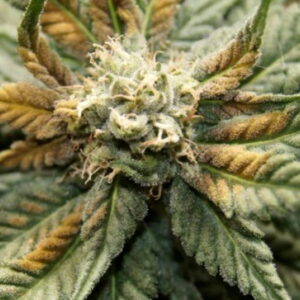
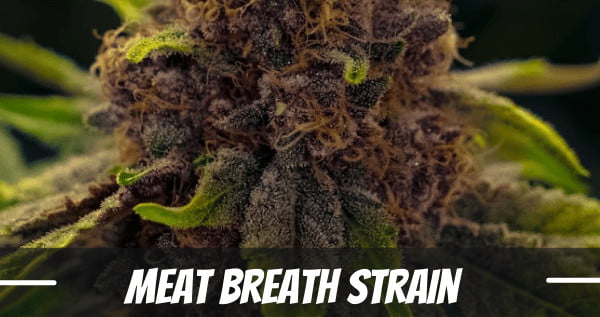
Visually, Meat Breath is easy to identify. Deep purples, bright greens and orange hairs run across dense buds, with a thick trichome coat that covers every surface. That frostiness makes the strain’s potency visible before you ever break a bud open.
Meat Breath seeds are most commonly available as feminized cannabis seeds, with plant expression, aroma intensity and yield varying by phenotype and grow conditions.
Meat Breath Strain Quick Facts
Use this quick facts table to compare Meat Breath by type, genetics, THC range, effects, flavor, terpenes and grow profile.
| Property | Value |
|---|---|
| Strain Name | Meat Breath |
| Type | Indica Dominant Hybrid |
| Commonly Reported Ratio | ~70% Indica / 30% Sativa |
| Genetics | Meatloaf × Mendo Breath |
| Breeder | Thug Pug Genetics |
| THC Range | 25-29% |
| Other Cannabinoids | CBG ~1% |
| Main Effects | Sleepy, Tingly, Relaxed, Euphoric |
| Flavors | Pepper, Nutty, Woody, Herbal, Spice |
| Aromas | Earthy, Sweet, Diesel, Citrus |
| Dominant Terpenes | Limonene, Caryophyllene, Pinene |
| Flowering Time | ~9 Weeks |
| Grow Difficulty | Intermediate |
| Best Environment | Indoor / Outdoor (Mediterranean Climates) |
| Common Seed Availability | Feminized Seeds |
Is Meat Breath Indica or Sativa?
Meat Breath is usually classified as an indica-dominant hybrid, with most sources placing it around 70% indica and 30% sativa. Both parent strains lean heavily on the indica side. The offspring almost universally inherit a compact, stout growth structure and deeply sedating effects.
That said, phenotype variation does occur. Some cuts test closer to a 60% indica and 40% sativa split, depending on the seed source and grow conditions. You shouldn’t expect the ratio to predict your experience with complete precision. It works as a guide rather than a guarantee.
What most users agree on is the effect direction. Meat Breath’s effects are calming and body-heavy, with the sleepy and relaxed qualities that are typically associated with indica-leaning genetics. The tingly body sensation reinforces that direction and makes this cultivar best suited for nighttime sessions.
If you’re drawn to indica seeds for their sedating body-focused effects, Meat Breath delivers solidly on that front. Classification can vary by breeder, phenotype and source, so the indica dominance works as a reliable guide rather than an exact prediction.
Meat Breath Genetics and Lineage
Meat Breath reportedly has Meatloaf and Mendo Breath genetics, a cross commonly attributed to Thug Pug Genetics with phenotype variation reported across cultivated cuts. Both parents lean heavily indica, which explains the strain’s consistent couch-locking character across most phenotypes.
Mendo Breath is the better-known of the two parents. It’s recognized for its Girl Scout Cookies (GSC) heritage, heavy relaxation and sweet flavors. That lineage shows up in Meat Breath’s flavor direction, particularly the chestnut and earthy notes across the plant’s terpene expression.
Meatloaf is the lesser-documented half of the cross. Reliable genetic data on Meatloaf’s own lineage is limited, but the cultivar is also considered indica-dominant.
Meat Breath entered the 2017 Karma Cup, reportedly earning third place in the indica category. That result helped establish the strain’s reputation as a serious cultivar with measurable potency and a distinct sensory identity.
The strain has also produced notable offspring. Leafly’s genetics chart lists Stank Breath and Ogre Breath as child cultivars, both carrying Meat Breath’s indica-dominant lineage forward.
Meat Breath genetics influence what you’ll see in plant structure, flowering time, resilience and aroma direction. That said, cultivation outcomes vary by phenotype, environment and grower experience.
Meat Breath THC and Cannabinoid Profile
Meat Breath is commonly listed with a THC range of 25-29%, although exact potency varies by phenotype, grow conditions, harvest timing and testing source. Leafly classifies Meat Breath as ‘higher THC than average’ across the indica category with virtually no CBD and CBG, approximately 1%.
Beginners or low-tolerance consumers should always approach high-THC batches carefully, as reported strength can vary across growers and samples.
| Cannabinoid | Range |
|---|---|
| THC | 25-29% |
| CBG | ~1% |
If you’re drawn to high-THC seeds for potency-first grows, Meat Breath consistently delivers near the upper end of what indica-dominant genetics produce.
What Are the Effects of Meat Breath Weed?
Meat Breath weed is commonly reported to make consumers feel sleepy, tingly, euphoric and relaxed, with an experience usually described as deeply calming and body-focused. Leafly’s user data places sleepiness as the dominant quality, followed by a tingly body sensation and sustained physical relaxation.
The strain’s character as a creeper also sets it apart. You won’t feel the full weight of Meat Breath immediately after your first exhale. Effects build gradually, which can lead some users to over-consume before the high reaches its peak. Starting low and waiting is the practical approach, especially if you’re trying this cultivar for the first time.
Once the effects arrive, they tend to settle in for the long haul. The body relaxation deepens progressively, with the tingly sensation spreading through your limbs and the sleepy quality growing more prominent as time passes.
Many users describe the experience as heavily couch-locking in higher doses, though moderate consumption can produce a more functional and quietly relaxed state.
Meat Breath suits evening use more than daytime sessions. The sleepy quality makes it less compatible with productivity, focused work or situations that require alertness. If you’re planning to use it earlier in the day, a smaller amount and a clear schedule are worth considering.
The 25-29% THC range adds intensity to all of the above. This isn’t a strain that’s forgiving of excess. Experienced consumers who’ve built tolerance to strong indica-dominant cultivars will find the effects predictable and satisfying. First-timers or those returning after a long break should approach this potent strain with caution.
| Main Effect | Intensity | Best Time | Notes |
|---|---|---|---|
| Euphoric | Medium | Evening | The initial cerebral onset before the physical effects kick in. |
| Sleepy | Strong | Evening | The main quality that builds gradually and lasts long. |
| Tingly | Medium | Evening | A body-focused feel that gives way to physical ease. |
| Relaxed | Strong | Evening | Deep, lasting body calm that can turn into couch-lock, at higher doses. |
Meat Breath Side Effects and Beginner Caution
Meat Breath may cause dizziness, dry mouth and dry eyes in some users, especially those new to high-THC cannabis. These are the side effects Leafly’s user data reports most consistently, and they’re worth preparing for before you sit down with this strain.
Like many high-THC strains, Meat Breath carries a real risk of over-consumption for users who misjudge the onset timing. Because it’s a creeper, effects build slowly, and the temptation to keep going before the high settles can lead to an unexpectedly intense session. That intensity can tip into disorientation or a heavy couch-locked state at higher doses.
The practical approach is to start with a small amount and wait 20-30 minutes before going further. Dry eyes and dry mouth are near-universal side effects at this potency level. Having water and eye drops on hand before you start keeps the experience more comfortable.

Meat Breath Flavor, Aroma and Taste
The Meat Breath cannabis strain’s flavor is usually described as peppery and herbal with nutty and woody secondary notes, while the aroma carries an earthy, sweet, citrus and diesel character. These are the primary descriptors based on user reporting, and they hold up consistently across most phenotypes of this cultivar.
The pepper note hits first and most prominently. It’s assertive and warm rather than sharp, with the herbal chestnut undertones adding body and a slightly nutty depth behind it. The flavor profile distinguishes Meat Breath from sweeter candy-forward strains in the indica space, and it tends to linger well after the exhale.
That staying power makes the flavor one of the most identifiable parts of this strain’s experience. The taste doesn’t dissipate quickly, leaving a mix of warm spice and earthy wood that some users find as striking as the effects. If you enjoy strains with bold and unconventional flavors, Meat Breath delivers on that front.
The aroma is another story. Meat Breath is quite pungent, filling a room quickly and holding its scent long after you’ve finished. It’s usually described as earthy and sweet with subtle citrus and a distinct diesel character, and that diesel note is hard to miss.
The strain earns its name from a strong, dank quality. On the exhale, the aroma takes on a heavier, more savory character that tends to linger in the space around you.
Compared to Garlic Breath, which shares Mendo Breath lineage, Meat Breath runs more peppery and woody while Garlic Breath leans citrus and earthy. Both are pungent and dank, but the flavor direction differs enough that experienced users will distinguish them quickly.
The Meat Breath Terpene Profile
The Meat Breath terpene profile is commonly associated with limonene, supported by caryophyllene and pinene. These three terpenes account for the dominant sensory qualities that users most consistently describe when reviewing this cultivar.
Limonene is the leading terpene and contributes a bright, slightly citrus quality to the strain’s overall character. It’s responsible for the edge of freshness that balances the heavier earthy and diesel elements in the aroma. You’ll notice it most in the initial scent and on the inhale, where it adds a slightly sharp counterpoint to the warmer notes below it.
Caryophyllene is the supporting terpene most directly linked to the strain’s peppery flavor. This terpene carries a spicy, warm quality that shows up clearly in both the flavor and the aroma. It gives Meat Breath its signature pepper note on the first exhale and adds warmth to the overall aroma experience.
Pinene adds a woody and fresh dimension to the profile. It reinforces the earthy depth in the aroma and contributes to the woody, slightly resinous quality of the flavor. It’s more subtle than limonene or caryophyllene, but it rounds out the profile and prevents the pepper-and-diesel combination from feeling one-dimensional.
Terpene profiles can vary between batches, phenotypes and cultivators, so the exact sensory expression of Meat Breath may differ somewhat depending on your source.
| Terpene | Aroma / Flavor | Prevalence |
|---|---|---|
| Limonene | Bright, Citrus, Slightly Sharp | Dominant |
| Caryophyl. | Pepper, Spice, Warmth | Supporting |
| Pinene | Pine, Fresh, Woody | Supporting |
What Does Meat Breath Look Like?
Meat Breath buds are usually described as dense and compact, with deep purple and bright green hues, orange hairs and thick trichome coverage. The color contrast between the purples and greens is one of the most recognizable visual traits for anyone familiar with top-shelf indica-dominant cultivars.
The buds take on a long, narrow shape despite their overall density. The trichome coat is particularly striking. Crystal-like frost covers every inch of the bud, giving it a glinting appearance that signals the strain’s potency before you ever sample it. The amber pistils contrast sharply against the purple and green of the underlying bud, adding to the visual complexity.
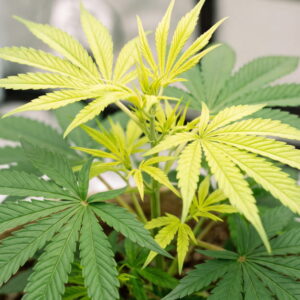
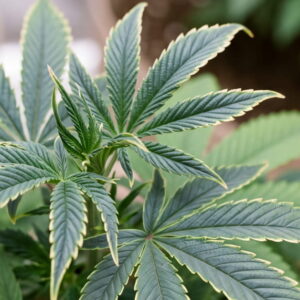
The plant itself grows to a moderate height with a stalk structure that some growers describe as sativa-like, despite the indica-dominant genetics. That combination of a taller stalk with compact, dense bud formation is characteristic of Mendo Breath offspring.
Growing the Meat Breath Strain
Meat Breath grows as an intermediate-level cultivar suited to indoor and outdoor environments, reaching moderate height with a 9-week flowering window. Some grow experience is recommended before working with this strain, as it benefits from active management rather than a hands-off approach.
The plant prefers warm, Mediterranean-style conditions. Indoors, maintaining temperatures in the 71°F-77°F (22°C-25°C) range gives the plant its best environment for consistent development. Outdoors, it performs well in warm, sunny climates with low humidity and minimal rain in the final weeks of growth.
Meat Breath is a notably pungent strain throughout its grow cycle. The aroma intensifies significantly as flowering progresses, so odor management is a practical consideration before you start. Planning for ventilation or carbon filtration early gives you fewer surprises later.
The plant also responds well to regular pruning, with airflow and light penetration improvements translating directly into healthier canopy and better bud development.
For growers interested in autoflower weed seeds for a faster-finishing format, related indica-dominant autos can suit shorter outdoor windows or more compact indoor setups.
Before cultivating cannabis, always check federal, state and local rules where you are to confirm you’re operating within the law.
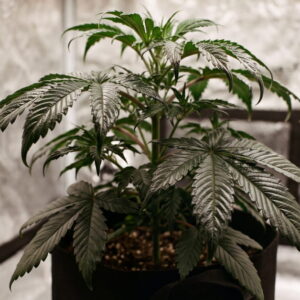
Growing Meat Breath Indoors
Meat Breath grows indoors in a standard 4×4 setup, reaching moderate height and flowering in approximately 9 weeks. Indoor growers can expect approximately 1-1.3 oz per sq ft (300-400 g/m²), with the upper end requiring consistent environmental control and strong canopy management.
The plant responds well to pruning, which improves airflow through the canopy and keeps light penetrating to the lower bud sites. That training response is worth taking advantage of, especially given the strain’s tendency toward density that can restrict airflow if left unmanaged.
Odor is a serious consideration indoors. Meat Breath is extremely pungent and fills an indoor grow space quickly. A quality carbon filter is a practical investment before this strain hits its peak flowering phase. The plant can also be susceptible to pests in its early stages, so monitoring during the seedling and early vegetative period pays off.
Growing Meat Breath Outdoors
Meat Breath grows outdoors in warm, Mediterranean-style climates, with harvest typically arriving in late September to mid-October. The plant reaches a moderate height and tends to hold its compact bud structure well in conditions that match its preferred temperature range.
Outdoor yields can reach up to 12 oz per plant (up to approximately 340 g per plant) under ideal conditions. Actual harvests vary by environment, grower skill and how well the plant expresses its genetic potential in your specific climate.
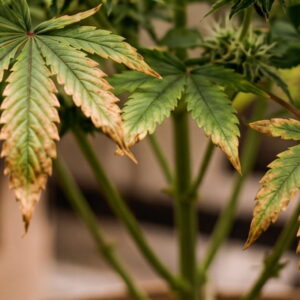
Pest vigilance is especially important in the early growth stages. Once the plant establishes itself, it becomes more resilient, but early attention to pests and airflow gives the plant its best start. The pungent aroma intensifies as outdoor harvest approaches, so consider your grow location with that in mind.
Growing Meat Breath Strain
Meat Breath is relatively easy to grow – if you can get your hands on some seeds. While you can harvest it from clippings of a mature plant, most growers agree that clones won’t deliver the same quality as seeds because you won’t know what variety you’re getting, which could put your harvest at risk.
Meat Breath Seeds and Availability
Meat Breath seeds let growers cultivate this cultivar from start to harvest, with seed type, grow setup and phenotype all shaping the final plant. Seeds offer more phenotypic variety than clones, which is why most growers prefer starting from seed over sourcing cuttings.
Feminized seeds are the most commonly available seed type for Meat Breath. This format largely removes the need to identify male plants during the grow, keeping all your energy focused on productive female plants from the start. Growing from seed also gives you a cleaner start in terms of pest and disease risk compared to working with clones.
Meat Breath seed types, available pack sizes and flowering time vary across formats, with each option suiting different setups, climates and grower experience levels.
Growers ready to buy marijuana seeds should confirm seed type and format through a trusted retailer, where lawful for eligible adult buyers.
Meat Breath vs Similar Strains
Compare Meat Breath with similar strains if you want a different effect profile, flavor direction, potency level, genetic background or growing behavior.
Garlic Breath
- Flavor: Citrus, earthy, herbal, pine
- THC: 20%
- Choose this if: You want Mendo Breath genetics with milder potency.
Peanut Butter Breath Auto
- Flavor: Butter, chestnut, nutty
- THC: 25%
- Choose this if: You want a beginner-friendly autoflower with creamier flavors.
Granddaddy Purple
- Flavor: Berry, grape, sweet
- THC: 25%
- Choose this if: You prefer a sweeter, fruitier flavor profile.
Critical Mass Auto
- Flavor: Earthy, herbal, skunky, spicy
- THC: 22%
- Choose this if: You want heavy indica effects in a fast autoflowering format.
Permanent Marker
- Flavor: Chemical, tobacco
- THC: 25%
- Choose this if: You want a potent indica hybrid with a distinct terpene profile.

Buy Beginner Friendly Marijuana Seeds
- Easy to grow
- Amazing experience
- Grow guide available
- Guaranteed results
FAQs About the Meat Breath Strain
What is the Meat Breath Strain?
Meat Breath is an indica-dominant cross of Meatloaf and Mendo Breath. It’s known for deeply sedating effects, a peppery chestnut flavor and a very pungent diesel aroma. Thug Pug Genetics is widely credited with developing the cross. THC commonly falls between 25-29%, placing it among the more potent cultivars available.
Is Meat Breath Indica or Sativa?
Meat Breath is indica-dominant, with most sources placing it around 70% indica and 30% sativa. Both parent strains lean heavily on the indica side, which reinforces the offspring’s compact structure and sedating physical effects. Some phenotypes express closer to a 60/40 split, but the overall experience consistently skews toward sedation rather than cerebral stimulation.
How Strong is Meat Breath?
Meat Breath is a high-potency strain, with THC commonly reported in the 25-29% range. That potency level makes it better suited for consumers with an established tolerance. First-timers or those sensitive to THC should start with a very small amount and wait before going further.
What Are the Effects of Meat Breath?
Meat Breath is most commonly reported to deliver sleepy, euphoric, tingly and relaxed effects with an experience that’s deeply calming and body-focused. It’s a creeper strain, meaning effects build gradually rather than hitting immediately. Once they settle in, the effects tend to last well beyond what lighter indica cultivars produce. It’s best suited for evening use.
What Does Meat Breath Taste Like?
Meat Breath has a spicy peppery flavor with subtle nutty, herbal and woody notes. The taste is assertive and warm rather than sweet or fruity, and it tends to linger well after the exhale. This cultivar suits consumers who prefer complex, earthy and spicy notes.
What Does Meat Breath Smell Like?
Meat Breath has a very pungent aroma with sweet, earthy and citrus notes under the diesel. The smell is strong enough to fill a room quickly and lingers long after use. On the exhale, the aroma takes on a heavier and more savory quality that many users associate with the strain’s name. It’s not a subtle strain in terms of scent.
What Are the Genetics of Meat Breath?
Meat Breath’s genetics include Meatloaf and Mendo Breath. Thug Pug Genetics is widely credited with developing the cross. Mendo Breath brings Girl Scout Cookies (GSC) heritage and a strong indica-dominant foundation, while Meatloaf reinforces the sedating and body-forward character. Child strains in the Meat Breath family include Stank Breath and Ogre Breath.
What Terpenes Are in Meat Breath?
The Meat Breath terpene profile includes limonene as the dominant terpene, supported by caryophyllene and pinene. Limonene contributes a bright, slightly citrus quality to the aroma. Caryophyllene is responsible for the strain’s peppery flavor. Pinene adds a fresh, woody dimension that rounds out the profile. Terpene expression can vary between batches and phenotypes.
How Long Does Meat Breath Take to Flower?
Meat Breath usually flowers in approximately 9 weeks, with outdoor harvest typically arriving in late September to mid-October. Exact timing depends on the phenotype, grow environment and how mature you allow the trichomes to develop before cutting. Grow-from-seed expectations and seed type differences affect timing across individual setups.
Is Meat Breath Easy to Grow?
No, not quite. Meat Breath is better suited for growers with some experience rather than absolute beginners. It benefits from active pruning and canopy management to maintain airflow and light penetration, and it requires attention to pest management in the early stages. It’s an intermediate cultivar that rewards growers who understand environmental control and training techniques.
Can Meat Breath Grow Outdoors?
Yes. Meat Breath grows outdoors in warm, Mediterranean-style climates with good success. It prefers long sunny growing seasons and minimal rain during the final weeks before harvest. Outdoor harvest typically arrives in late September to mid-October. Yields can reach up to 12 oz per plant (up to approximately 340 g per plant) under ideal outdoor conditions.
Are Meat Breath Seeds Available?
Meat Breath seeds are commonly produced in feminized formats, making the cultivar accessible to growers who prefer reliable female plant expression. Pack sizes, stock status and grow-from-seed details vary by seed source and current availability. Confirming what’s in stock through your preferred retailer is the best step before committing to a grow plan.