
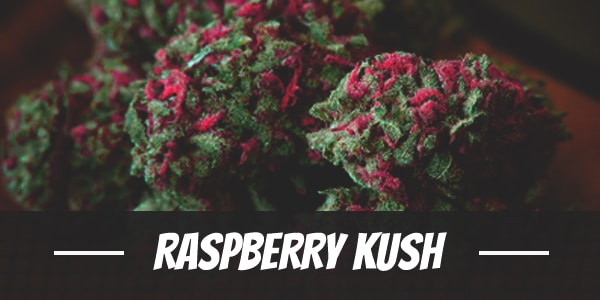
Raspberry Kush is an indica cannabis strain known for relaxing, sleepy effects, a sweet raspberry-and-cream flavor, and a myrcene-led terpene profile. Its reputation rests on a balance of sweet flavor, moderately strong potency, and forgiving grow traits that make it approachable for most growers.
What Is the Raspberry Kush Strain?
Raspberry Kush is an indica cannabis strain with a reputation for sweet berry flavor, calming effects, and a smooth, body-focused high. Growers and consumers know it for a dessert-like raspberry-and-cream profile paired with the earthy backbone common to Kush genetics.
The strain leans toward relaxation rather than stimulation, which is why many people reach for it in the evening or when they want to unwind. Its potency sits in the moderately strong range typical of modern indicas, strong enough to feel clearly but rarely overwhelming at a sensible dose.
Raspberry Kush seeds are commonly produced in feminized and photoperiod formats, with phenotype expression varying by breeder, grower experience, and growing environment.
Raspberry Kush Strain Quick Facts
Use this quick facts table to compare Raspberry Kush by type, genetics, THC, effects, flavor, terpenes, growing difficulty, and seed availability.
| Property | Value |
| Strain name | Raspberry Kush |
| Type | Indica |
| Ratio | Commonly listed around 80% indica / 20% sativa |
| Genetics | Disputed; often linked to the Cheese family |
| THC range | ~20%, with some sources listing a wider 16–23% range |
| CBD range | Low (around 0.1%) |
| Other cannabinoids | CBG around 1% |
| Main effects | Relaxed, sleepy, euphoric |
| Flavor | Berry, sweet, creamy, earthy |
| Aroma | Raspberry, floral (rose), sweet, earthy |
| Dominant terpenes | Myrcene, caryophyllene, limonene |
| Flowering time | About 9–10 weeks |
| Grow difficulty | Easy |
| Best environment | Sunny, sheltered outdoor spots; soil or hydro indoors |
| Seed availability | Commonly available in feminized format |
Is Raspberry Kush Indica or Sativa?
Raspberry Kush is usually classified as an indica. Reported figures commonly place it around 80% indica to 20% sativa, which tracks with the relaxed, physical character most consumers describe.
The indica lean shows up in the experience as much as the plant structure. Consumers tend to report a calming, body-heavy high that suits downtime rather than daytime productivity, and growers often see the compact, manageable growth pattern associated with indica-dominant genetics.
Because classification varies by breeder, phenotype, and source, “indica” works as a general guide rather than an exact prediction of how any single batch will feel. A sativa-leaning phenotype can still surface in individual seeds, so treat the label as a starting point.
Raspberry Kush Genetics and Lineage
Raspberry Kush descends from disputed parentage, with reported lineage most often linked to the Cheese family and phenotype variation depending on source. No breeder record has settled the question definitively, so its exact cross remains a matter of debate rather than documented fact.
What is clearer is the family character the strain expresses. The sweet, berry-forward flavor and the earthy Kush undertone point to genetics that favor dessert-style terpene profiles layered over a classic indica base. That combination is what gives Raspberry Kush its recognizable identity even without a confirmed lineage.
Names like “Blue Raspberry Kush” and “Red Raspberry Kush” circulate online, but these appear to describe phenotype or color variation and marketing labels rather than confirmed separate cultivars. Growers may see berry-tinged coloring or slightly different expressions from one phenotype to the next.
Because Raspberry Kush leans on Kush genetics, growers can expect a compact, resilient plant with a berry-forward aroma, though the exact results still come down to phenotype, environment, and experience.
Raspberry Kush THC and Cannabinoid Profile
Raspberry Kush is commonly listed with a THC level around 20%, with some sources reporting a wider range of roughly 16–23% depending on phenotype, grow conditions, harvest timing, curing, and testing source. Exact potency is never fixed, so published numbers work as a guide rather than a guarantee.
Its CBD content is low, typically around 0.1%, which is standard for a THC-forward indica. Small amounts of CBG, reported around 1%, round out the cannabinoid picture without meaningfully shifting the experience.
Beginners or low-tolerance consumers should approach higher-testing batches carefully, because reported strength can vary between growers and samples.
| Active Compound | Range | Notes |
| THC | ~20% (some sources 16–23%) | Commonly listed; varies by phenotype and testing |
| CBD | ~0.1% | Low, typical for a THC-forward indica |
| CBG | ~1% | Minor cannabinoid, present in small amounts |
What Are the Effects of Raspberry Kush?
Raspberry Kush is commonly reported to feel relaxed, sleepy, and euphoric, with an experience usually described as calming and physically settling. The high tends to ease the body first, drawing consumers toward stillness rather than activity.
The euphoria shows up early for many people, lifting mood before the more sedative qualities take over. As the high develops, relaxation deepens and sleepiness becomes more noticeable, which is why the strain reads as an evening or nighttime choice for most consumers.
Some users also describe a mild creative lift in lower doses, a lingering trait that fits its sweet, upbeat flavor. At higher doses that creative edge tends to give way to full-body relaxation and eventual drowsiness.
Its relaxed, mood-lifting character tends to appeal to consumers who want to decompress rather than stay busy.
| Effect | Intensity | Best Time | Notes |
| Relaxed | Strong | Evening / night | Body-focused, the main feel |
| Sleepy | Strong | Night | Builds over time, good for winding down |
| Euphoric | Medium | Evening | Early mood lift before sedation |
| Creative | Mild | Evening | Stronger at low doses |
Here are some amazing seed deals. Buy 10 and get 10 seeds for free!
Raspberry Kush Side Effects and Beginner Caution
Raspberry Kush may cause dry mouth, dry eyes, and mild headache in some users, especially those new to stronger cannabis. These are the same common, temporary effects associated with many potent indica strains.
Less frequently, some consumers report mild dizziness or a touch of paranoia, usually tied to larger doses. Keeping the dose moderate lowers the chance of an uncomfortable experience, particularly for people who are sensitive to stronger strains.
Like many potent indicas, Raspberry Kush may feel overwhelming for low-tolerance users, so pacing and hydration go a long way toward keeping the experience pleasant.

Raspberry Kush Flavor and Aroma
Raspberry Kush flavor is usually described as sweet berry with creamy and earthy notes, while the aroma carries raspberry, floral rose, and sweet character. The taste is the strain’s signature, leaning into a dessert-like raspberries-and-cream impression.
On the inhale, sweet berry leads with a vanilla-like creaminess underneath, grounded by the earthy quality common to Kush genetics. The exhale tends to finish creamy and smooth, leaving a light, lingering sweetness rather than a harsh aftertaste.
The aroma follows a similar path but with a floral edge. Before grinding, the buds give off a sweet raspberry scent with a rose-like softness; broken apart, they release more of the earthy Kush undertone. It’s a recognizable smell to Kush fans and reads clearly berry-forward compared with harsher, gassier strains.
Raspberry Kush Terpenes
Raspberry Kush terpene profile is commonly associated with myrcene, supported by caryophyllene and limonene. Myrcene is the most abundant, and it ties directly to the strain’s earthy, herbal base and part of its relaxed character.
Caryophyllene contributes a peppery, slightly spicy edge that adds depth beneath the sweetness, while limonene brings a light citrus brightness that lifts the overall profile. Together these terpenes shape the aroma and flavor rather than acting as measured lab guarantees.
| Terpene | Aroma / Flavor | Prevalence |
| Myrcene | Earthy, herbal, musky | Dominant |
| Caryophyl. | Peppery, spicy | Supporting |
| Limonene | Citrus | Supporting |
What Does Raspberry Kush Look Like?
Raspberry Kush buds are usually described as dense and resinous, with green coloring, occasional purple tones, and orange pistils. The frosty trichome coverage gives the flower a sticky, well-developed look at harvest.
The purple tinting varies from plant to plant depending on phenotype and growing conditions, and it adds to the strain’s visual appeal even though the “berry” name comes from its sweet flavor and aroma rather than its color.
Cooler finishing temperatures tend to bring out more of those purple hues, which is part of why some growers and sellers reference “blue” or “red” versions by name.
Against the green and purple backdrop, the orange pistils stand out and add to the overall visual appeal, making Raspberry Kush an attractive flower to grow as well as to consume.
Growing the Raspberry Kush Strain
Raspberry Kush grows as an easy cultivar that suits both indoor and outdoor setups. It prefers sunny, sheltered spots outdoors and works well in soil or hydro indoors, reaching a medium height with roughly 9 to 10 week flowering. Its manageable size and resilience make it a reasonable choice for growers who want a forgiving plant.
At a glance, its key grow traits are:
- Difficulty: easy — forgiving for growers with some basic experience
- Height: medium — fits standard tents without heavy training
- Environment: sunny, sheltered outdoors; soil or hydro indoors
- Resistance: good against common molds and mildew
That resilience pays off outdoors and in humid conditions. It tends to produce dense, purple-tinged buds when finished well, rewarding growers who give it enough light and airflow, where cultivation is permitted.
Growing Raspberry Kush Indoors
Raspberry Kush grows indoors in soil or hydroponic setups, reaching a medium height and flowering in about 9 to 10 weeks. Its moderate size makes it a good fit for standard tents without heavy training.
Indoor plants tend to deliver above-average yields when given strong light and stable conditions. The compact structure keeps it manageable, and the mold resistance that helps outdoors also makes indoor humidity swings less risky.
Growing Raspberry Kush Outdoors
Raspberry Kush grows outdoors in sunny, sheltered climates, with harvest usually in mid-to-late October and a medium mature height. It prefers a spot with plenty of sunlight but some protection from heavy rain.
Outdoor plants produce a moderate-to-good yield per plant and benefit from the strain’s resistance to common molds and mildew, which is useful as autumn moisture rises. Cooler nights late in the season can deepen the purple coloring in the buds.
Raspberry Kush Seeds
The seed format you choose shapes how a Raspberry Kush-style plant flowers, behaves, and yields. Feminized seeds are the most common route, since they remove the guesswork of sorting out male plants.
Growers who love the sweet, relaxing profile Raspberry Kush is known for can explore a wide catalog of cannabis seeds from ILGM to find a close match. For an all-female crop, feminized weed seeds are the practical starting point, while autoflower seeds suit growers who want a faster, light-schedule-independent option for shorter seasons.
Seed type, available pack sizes, flowering time, and yield expectations vary across formats, with each one suiting different setups, climates, and grower experience levels.
Raspberry Kush vs Similar Strains
Compare Raspberry Kush with similar strains if you want a different effect profile, flavor direction, potency level, or genetic background. The strains below share terpenes and effects with Raspberry Kush, making them natural alternatives. THC figures reflect commonly reported ranges and vary by breeder, phenotype, and testing source.
Neptune OG
Type: Indica-leaning
Flavor: Earthy, berry, citrus
Potency: High
Choose this if you want a stronger, couch-lock evening high.
Black Cherry Garlic
Type: Hybrid
Flavor: Cherry, garlic, gas
Potency: Medium–high
Choose this if you want a bold, funky flavor over dessert-sweet notes.
Skywalker OG strain
Type: Indica-dominant
Flavor: Herbal, pine, spice
Potency: High
Choose this if you prefer classic OG relaxation with pine notes.
Diesel
Type: Hybrid
Flavor: Diesel, chemical, earthy
Potency: Medium–high
Choose this if you want a fuel-driven flavor and a more balanced high.
FAQs About Raspberry Kush Strain
What Is the Raspberry Kush Strain?
Raspberry Kush is an indica cannabis strain known for a sweet raspberry-and-cream flavor, relaxing and sleepy effects, and a myrcene-led terpene profile. It carries the earthy backbone of Kush genetics and reads as an evening strain for most consumers.
Is Raspberry Kush Indica or Sativa?
Raspberry Kush is an indica, commonly listed around 80% indica to 20% sativa. The relaxed, body-focused experience most consumers describe fits that classification, though the exact ratio can vary by breeder and phenotype.
How Strong Is Raspberry Kush?
Raspberry Kush THC is commonly listed around 20%, with some sources reporting a 16–23% range. That places it in the moderately strong tier, so beginners or low-tolerance consumers should start with a smaller dose since strength varies between batches.
What Are the Effects of Raspberry Kush?
Raspberry Kush is commonly reported to feel relaxed, sleepy, and euphoric, with a milder creative lift at lower doses. The high tends to ease the body and lift mood early before settling into deeper relaxation and drowsiness.
What Does Raspberry Kush Taste Like?
Raspberry Kush tastes of sweet berry with creamy and earthy notes, often compared to raspberries and cream. The inhale leads with berry and vanilla-like sweetness, and the exhale finishes smooth and creamy.
What Does Raspberry Kush Smell Like?
Raspberry Kush smells of sweet raspberry with a floral, rose-like softness and an earthy Kush undertone. The berry scent is strongest before grinding, while breaking the buds apart brings out more of the earthy base.
What Terpenes Are in Raspberry Kush?
Raspberry Kush is commonly associated with myrcene as its dominant terpene, supported by caryophyllene and limonene. Myrcene drives the earthy, herbal character, caryophyllene adds a peppery edge, and limonene brings a light citrus brightness.
Is Blue Raspberry Kush the Same as Raspberry Kush?
Blue Raspberry Kush appears to describe a phenotype or marketing label rather than a confirmed separate cultivar. It generally refers to Raspberry Kush plants that show more berry-tinged coloring, so expect a similar sweet, indica-leaning profile.
What Is Red Raspberry Kush?
Red Raspberry Kush is best understood as a color or phenotype reference rather than a distinct strain. It points to Raspberry Kush plants with warmer or purple-red tones in the buds, which can appear depending on phenotype and cooler finishing temperatures.
How Long Does Raspberry Kush Take to Flower?
Raspberry Kush usually takes about 9 to 10 weeks to finish flowering, with outdoor plants ready to harvest in mid-to-late October. Exact timing shifts a little depending on the phenotype, the seed format, and how it’s grown.
Is Raspberry Kush Easy to Grow?
Yes. Raspberry Kush is considered an easy strain, thanks to its manageable medium height and resistance to common molds and mildew. That resilience makes it a forgiving option for growers with some basic experience.
Top 50 Marijuana Strains
Afghan Kush | Agent Orange | AK-47 | Alaskan Thunder Fuck | Amnesia Haze | Berry White | Blackberry Kush | Blue Cheese | Blue Dream | Blueberry | Bubba Kush | Cheese | Chemdawg | Cherry Pie | Chocolope | Death Star | Durban Poison | G13 | Girl Scout Cookies | God’s Gift | Golden Goat | Gorilla Glue #4 | Grape Ape | Green Crack | Harlequin | Headband |Hindu Kush | Jack Herer | LA Confidential | Lemon Haze | Lemon Kush | Mango Kush | Master Kush | Maui Wowie | Northern Lights | OG Kush | Pineapple Express | Platinum Girl Scout Cookies | Purple Kush | Purple Urkle | Skywalker | Skywalker OG | Sour Diesel | Strawberry Cough | Super Lemon Haze | Super Silver Haze | Tahoe OG Kush | Trainwreck | White Rhino | White Widow
Applegate pretty sure I worked on your farm last year I need tips
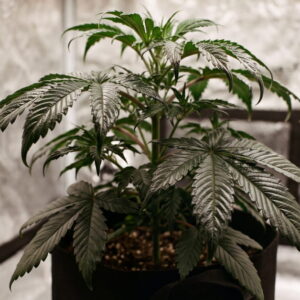
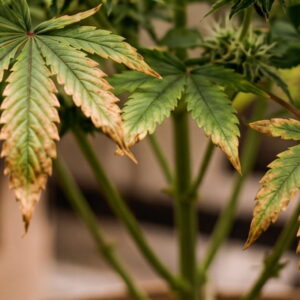
I am growing raspberry kush and have2 clones vegging.one is in 4 th week of floweringwhat nutrients does she like?
I recommend Flower Power Starter Kit. Available in the ILGM store. All you need to grow 2-3 plants from start to finish with excellent results. I have personally used it to achieve some of the best results I have ever had in 12 years. 🙂 For real. – I❤️GM
As time goes by I think we will start to see a shift of buyers vs growers. Their will be less people going to dispensaries because more people will try their hands at growing.